I have been drawn to the polar regions for many years — north and south, above and below the water. For me, they are not only places of ice, cold, and distance. They are places where exploration still feels immediate: by ship, by aircraft, by Zodiac, by scuba gear, or simply by standing in landscapes where weather, light, wildlife, and geography dominate everything else.
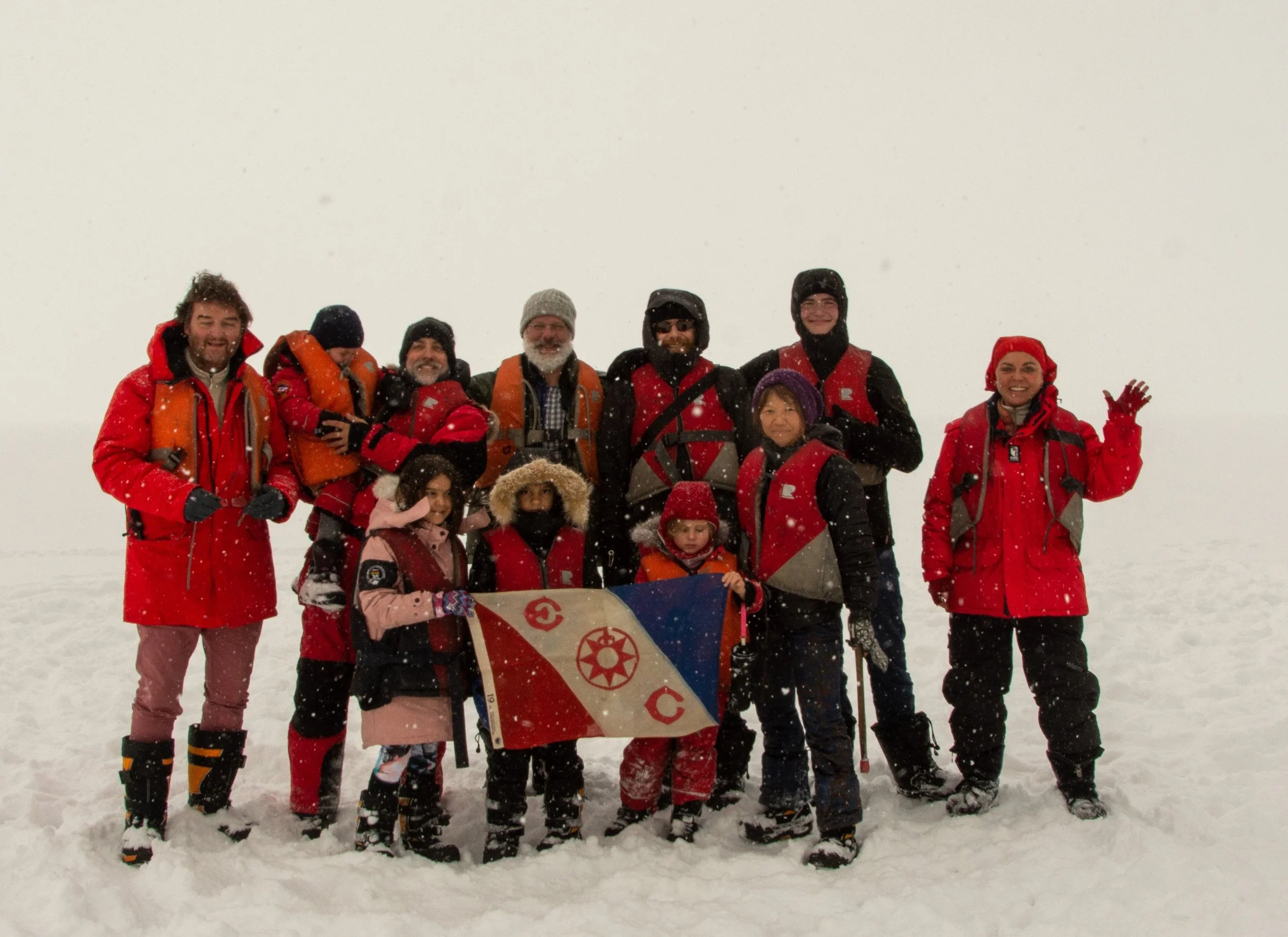
My polar journeys have included both family expeditions and more specialized underwater and photography projects. In 2018, I travelled with my wife, our children, and the Garriott family to the North Pole as part of the NORTH expedition. It was an intergenerational journey that combined exploration, education, photography, and storytelling, and it remains one of the most meaningful expeditions I have taken part in — not just because we reached the Pole, but because the children were part of it from the beginning.
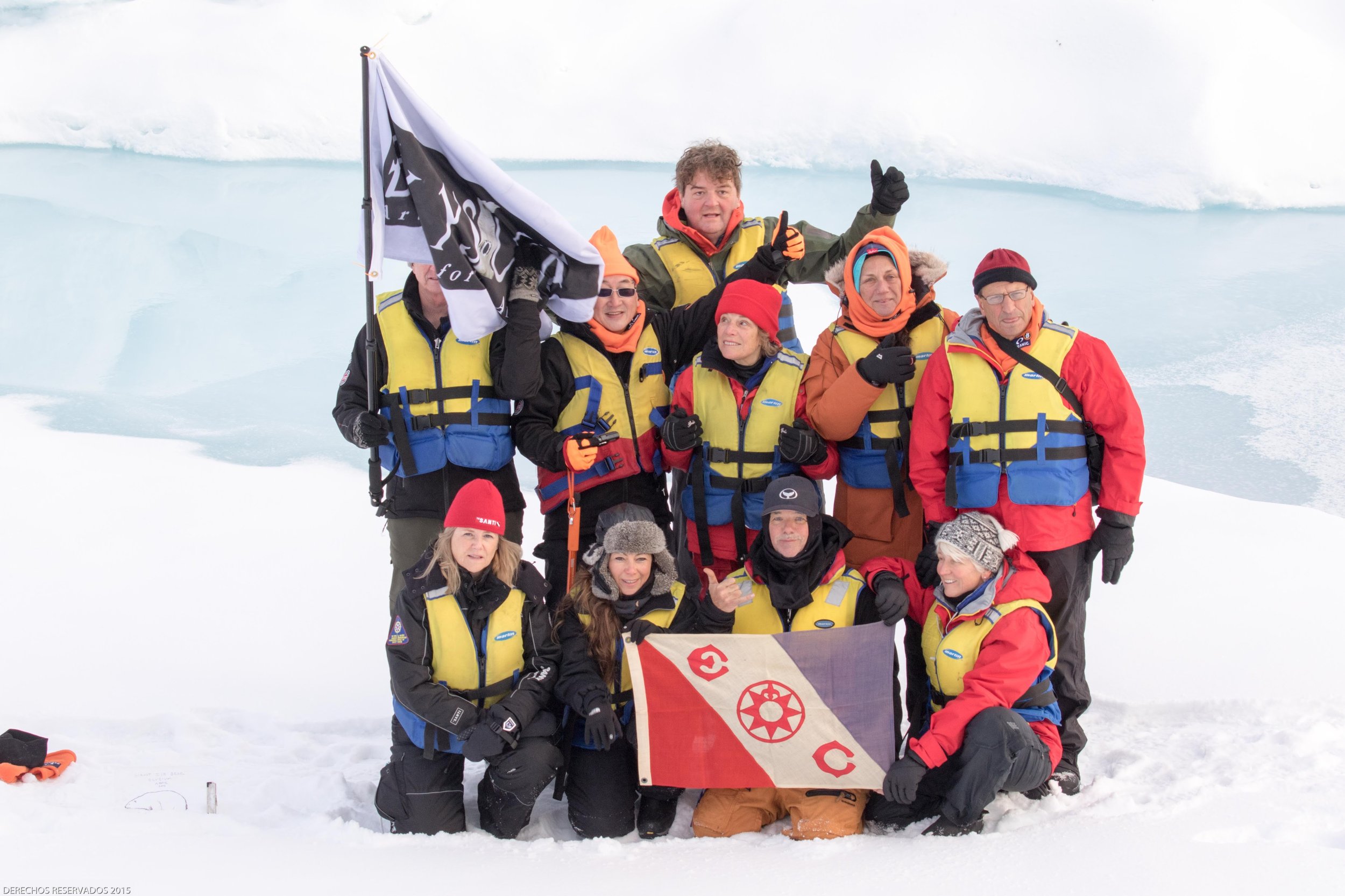
In 2015, I joined the Elysium Artists for the Arctic expedition, an Explorers Club Flag expedition that brought together underwater photographers, artists, scientists, and explorers to document the Arctic. The journey took us to Svalbard, reaching above 82 degrees north, and continued through Greenland and Iceland. Being part of a team that included some of the world’s leading underwater photographers and conservation voices gave the expedition a particular focus: to show the Arctic not only as a remote wilderness, but as a living environment under pressure.
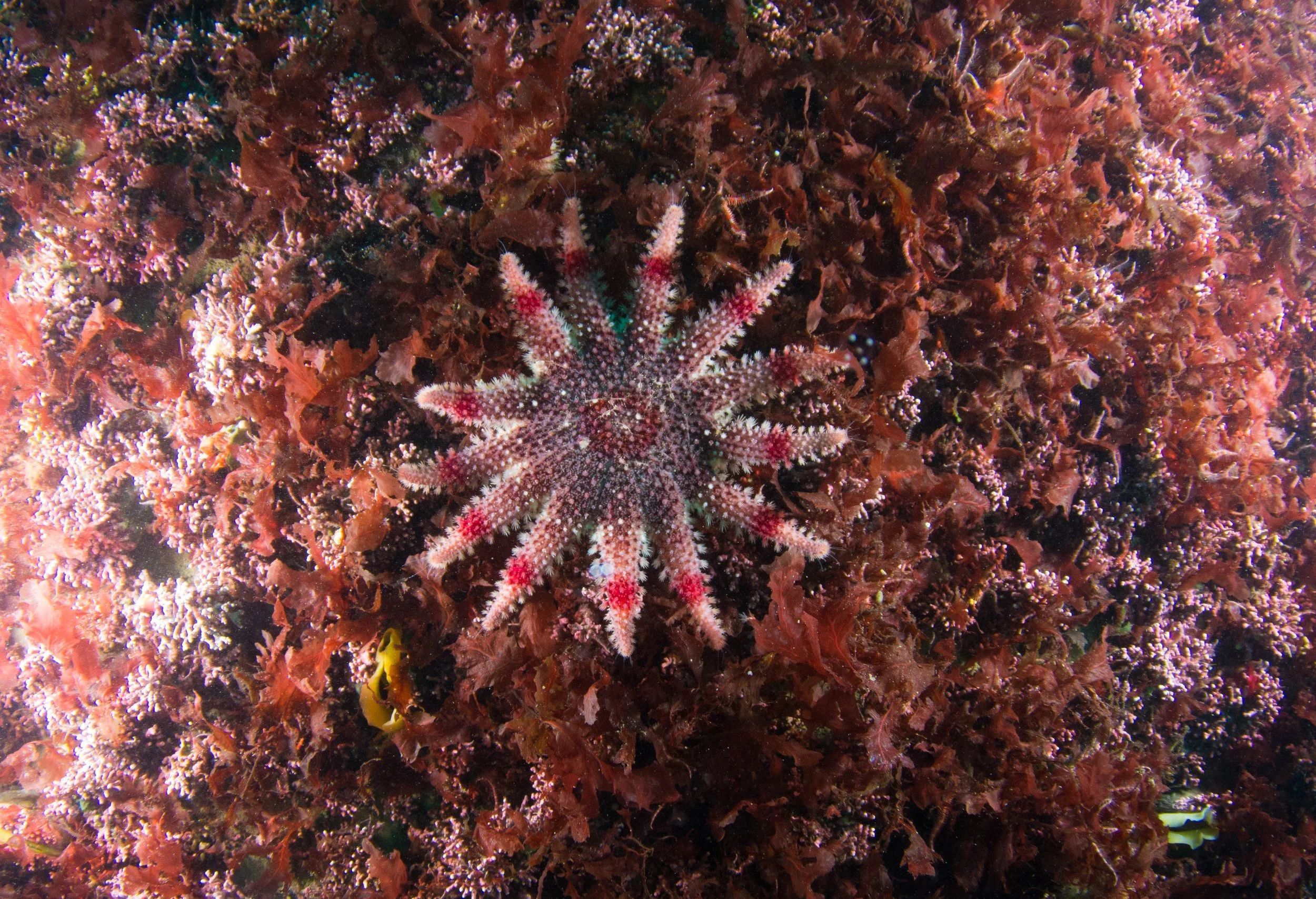
The underwater side of polar travel has always been important to me. Before travelling to Antarctica in 2007, Daphne and I spent time in Tierra del Fuego and went diving in the Beagle Channel. I have also dived in the Westfjords of Iceland, where cold water, isolation, and difficult conditions made the journey feel much closer to real exploration than ordinary recreational diving. These were not warm-water dives with easy logistics; they were part of a broader interest in what polar and subpolar environments look like beneath the surface.
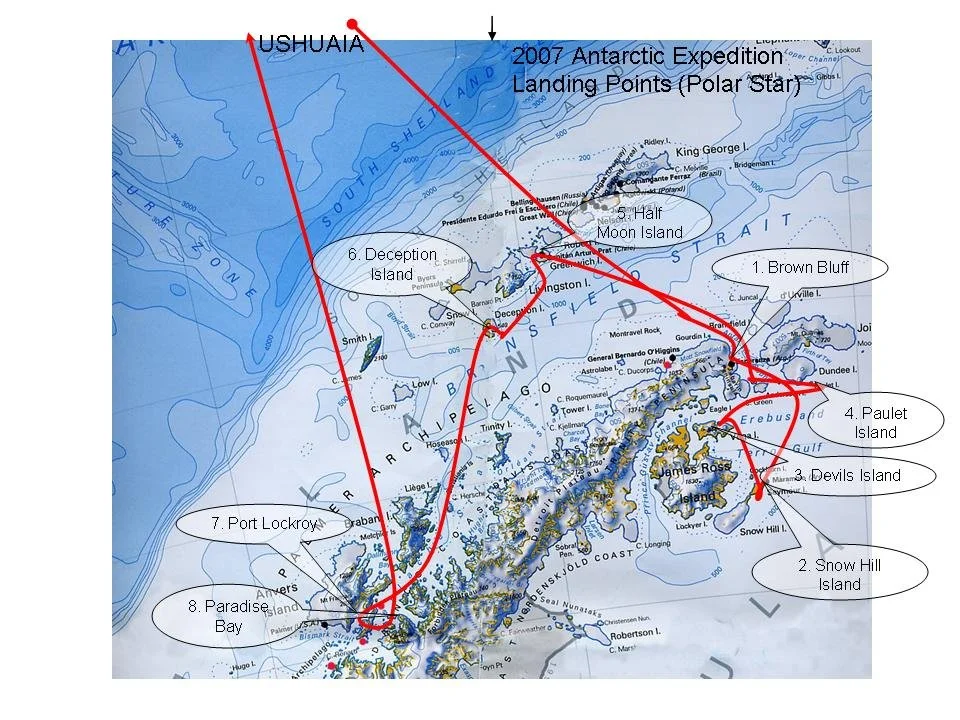
Antarctica was another defining experience. Travelling on the Polar Star, we visited places including Brown Bluff, Paulet Island, Snow Hill Island, Devil Island, Deception Island, Port Lockroy, and Paradise Bay. The trip combined ship-based expedition travel, Zodiac landings, wildlife, ice, and photography. Penguins, seals, whales, glaciers, old stations, and remnants of whaling history all gave the journey a depth that went beyond scenery alone.
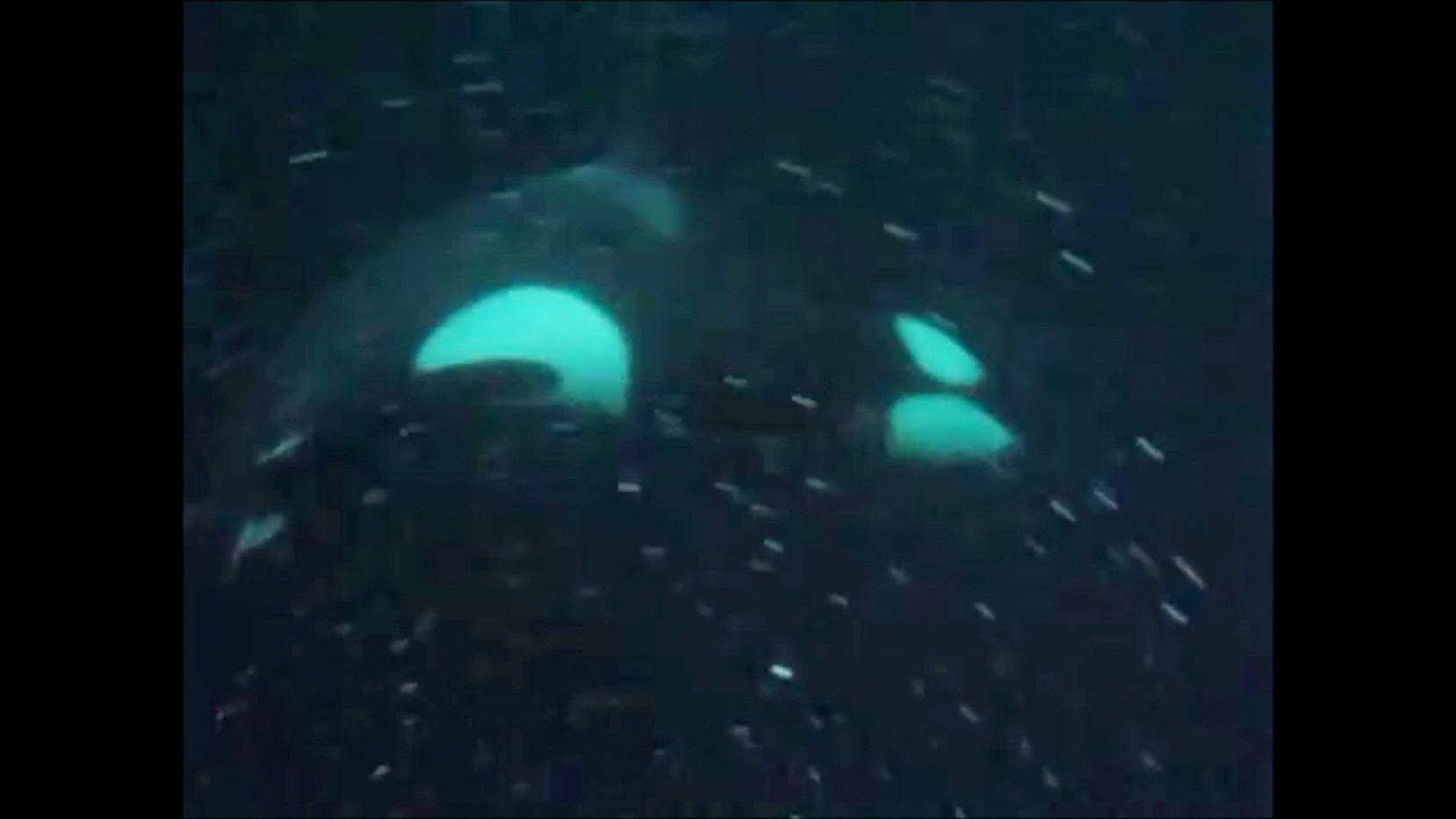
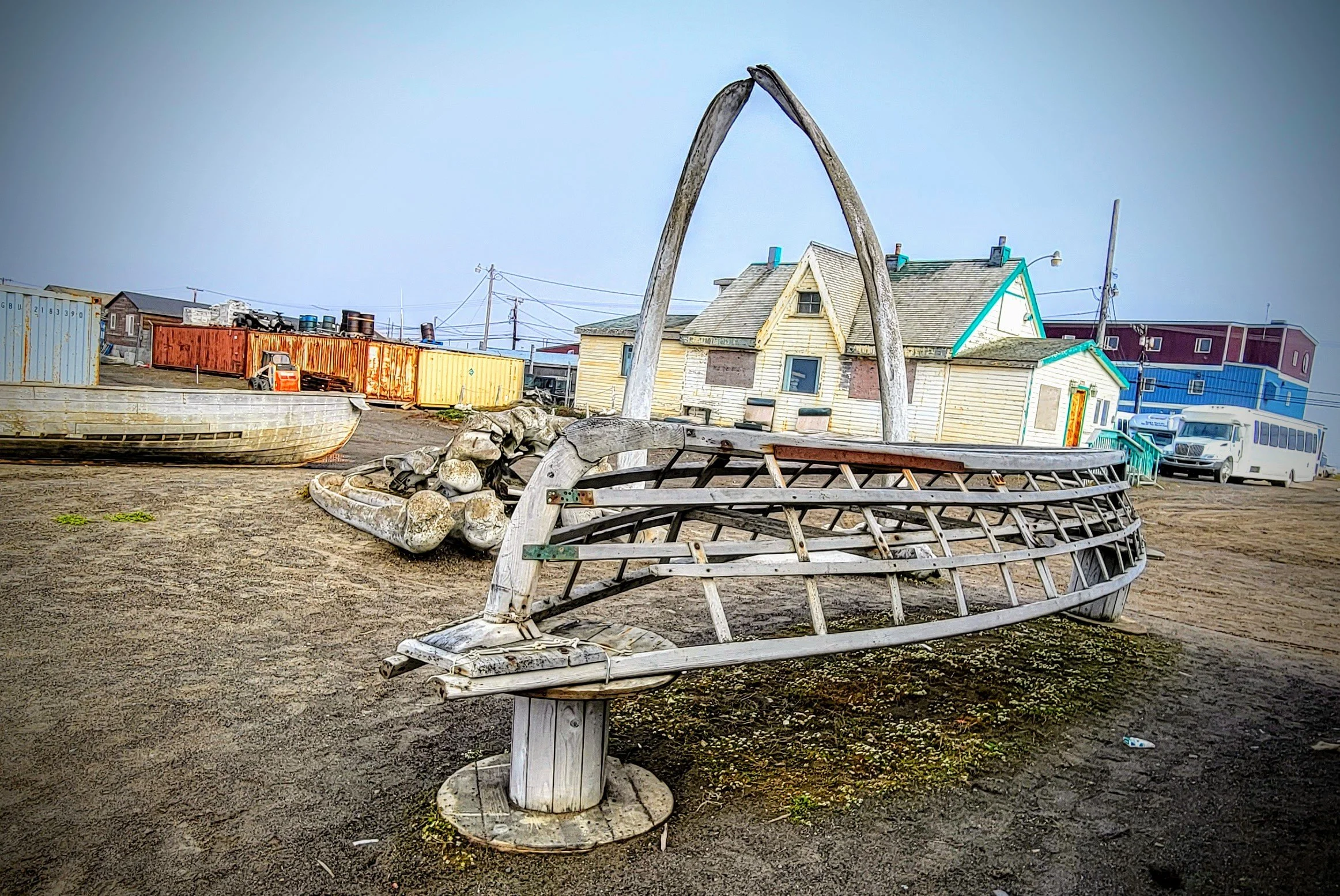
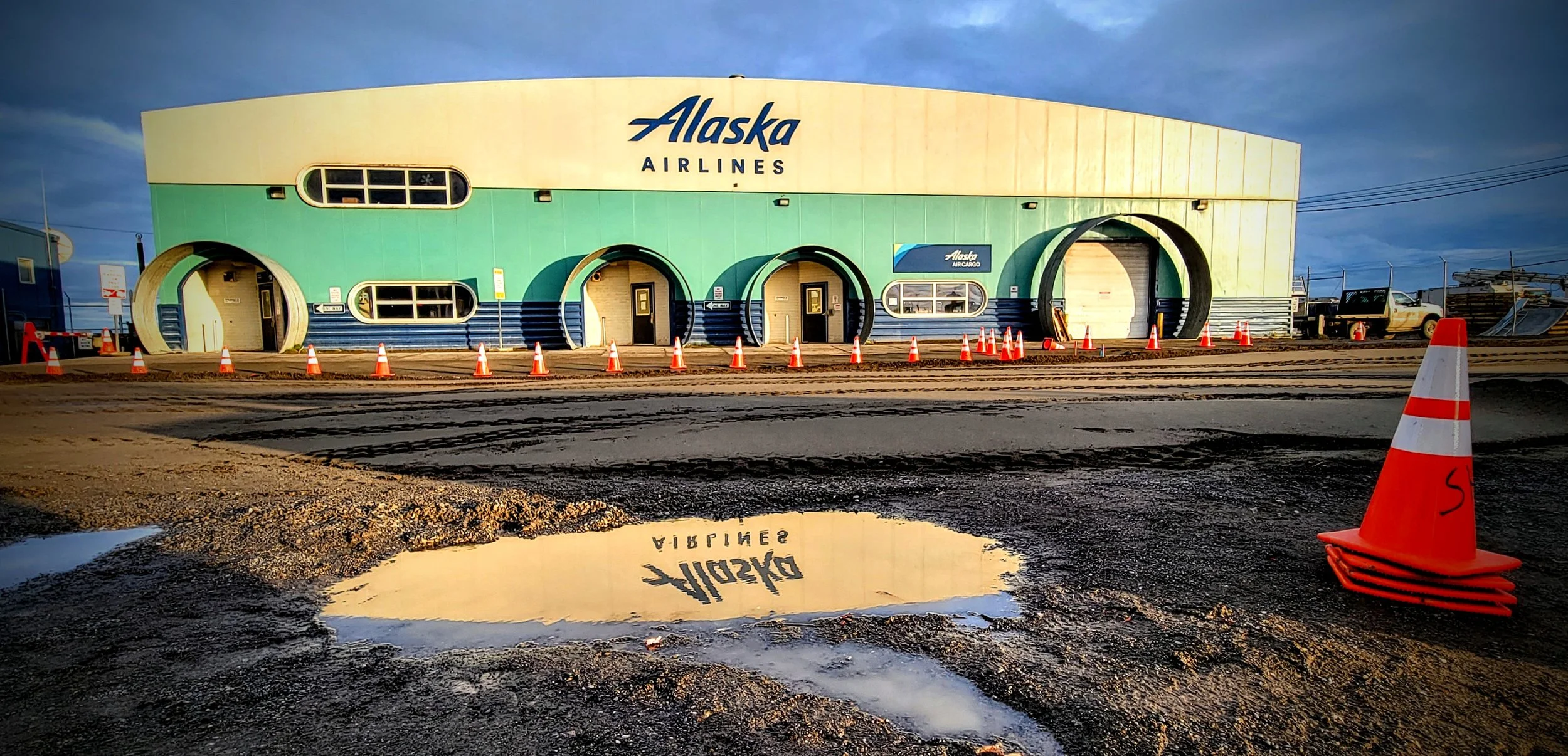
The Arctic has also taken me through northern Norway, Alaska, and the far north of the United States. In Tromsø, I have snorkelled with orcas and humpbacks, and we later travelled as a family from Tromsø toward Murmansk while preparing for the North Pole expedition. In Alaska, we went as far north as Barrow, now Utqiaġvik, the northernmost community in the United States. These journeys were different in scale from the North Pole or Antarctica, but they added to the same larger thread: an interest in the edges of the map, where people, animals, ice, and ocean meet.
Looking back, my polar travels connect several parts of my life: family exploration, scuba diving, photography, conservation, and the Explorers Club. Some trips were formal expeditions, others were personal journeys, and some were preparation for something larger. Together, they form one continuous fascination with the polar regions — not as abstract places, but as real environments experienced directly, often in difficult conditions, and always with a camera close at hand.