Ethiopia - Tigray region and remote Rock Churches
Before our Kilimanjaro climb, we traveled east into Ethiopia for a remarkable journey through history, culture, and landscape. We began in Addis Ababa with a visit to the National Museum, one of the most memorable museums I have ever visited. It was an extraordinary introduction to the country, not only because of its archaeological treasures, but because it placed Ethiopia so clearly at the center of human and African history.
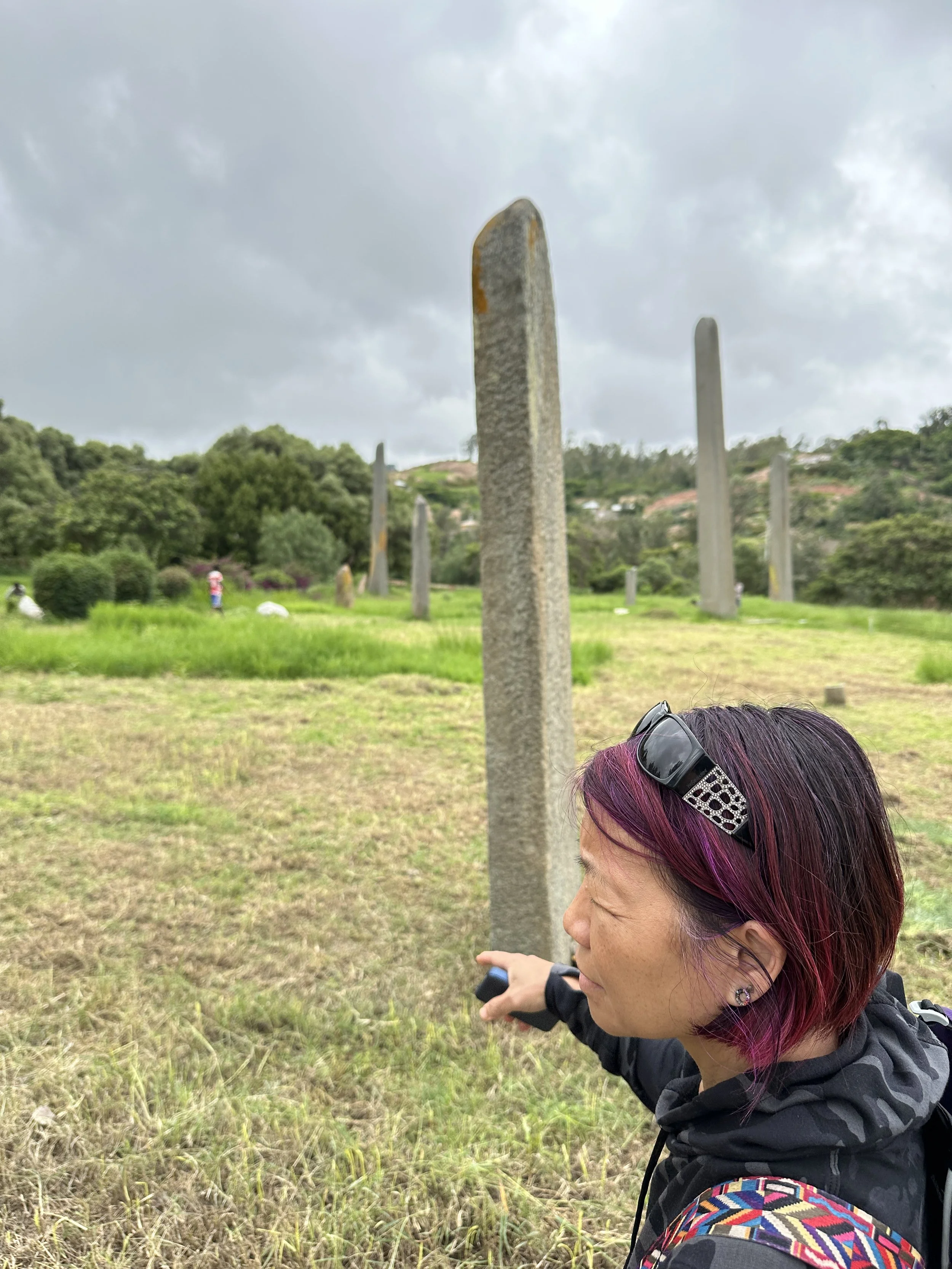
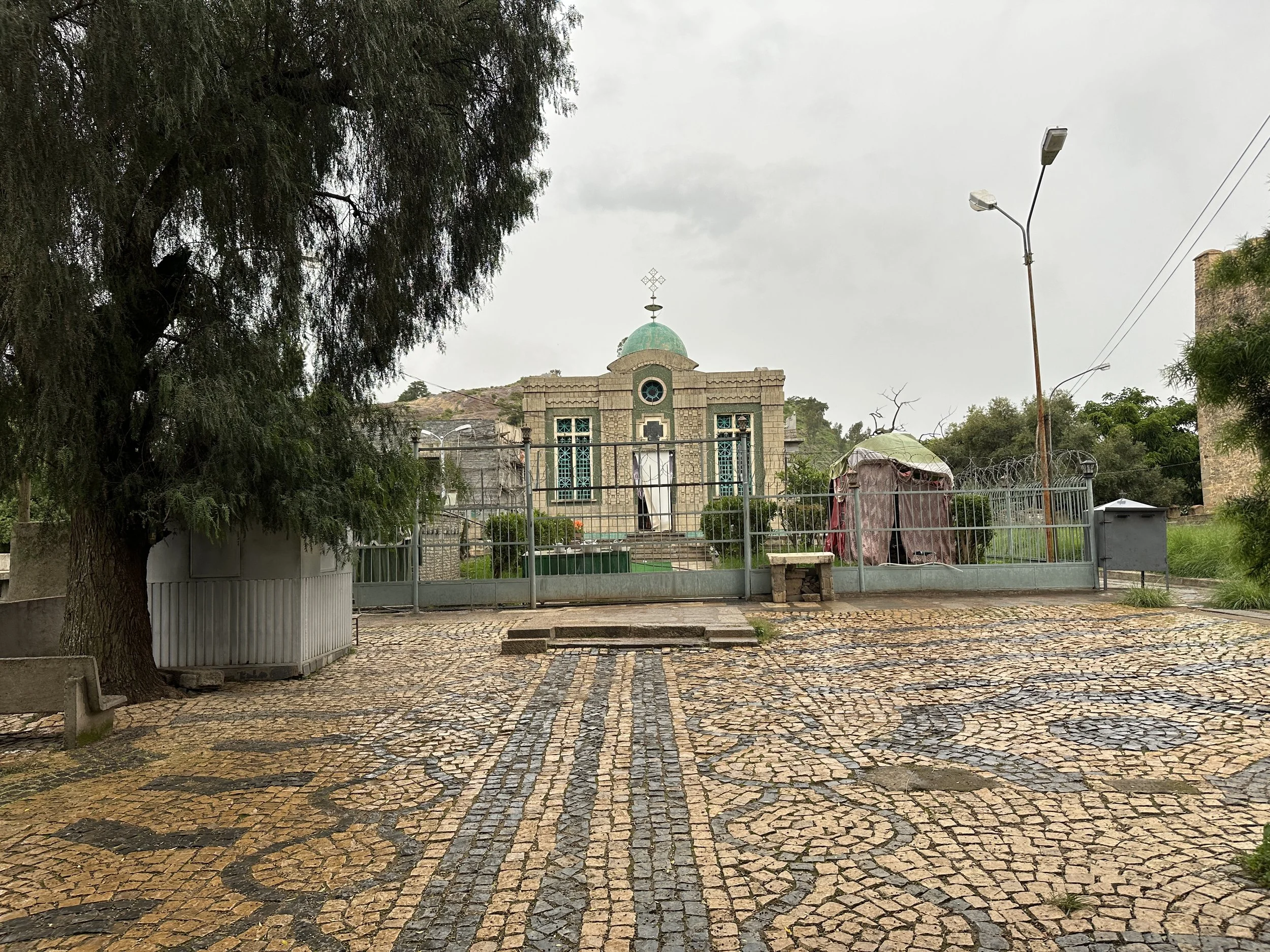
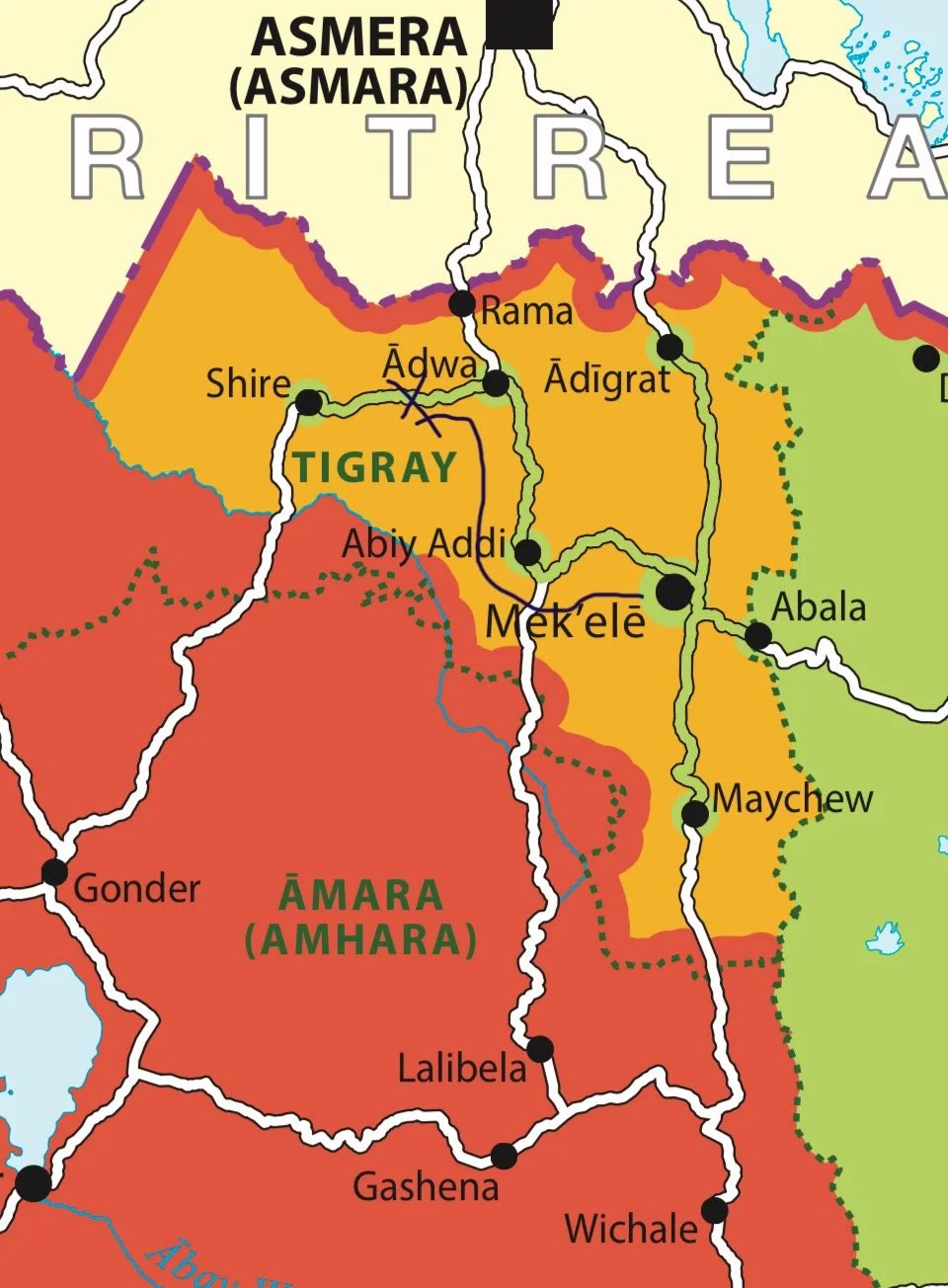
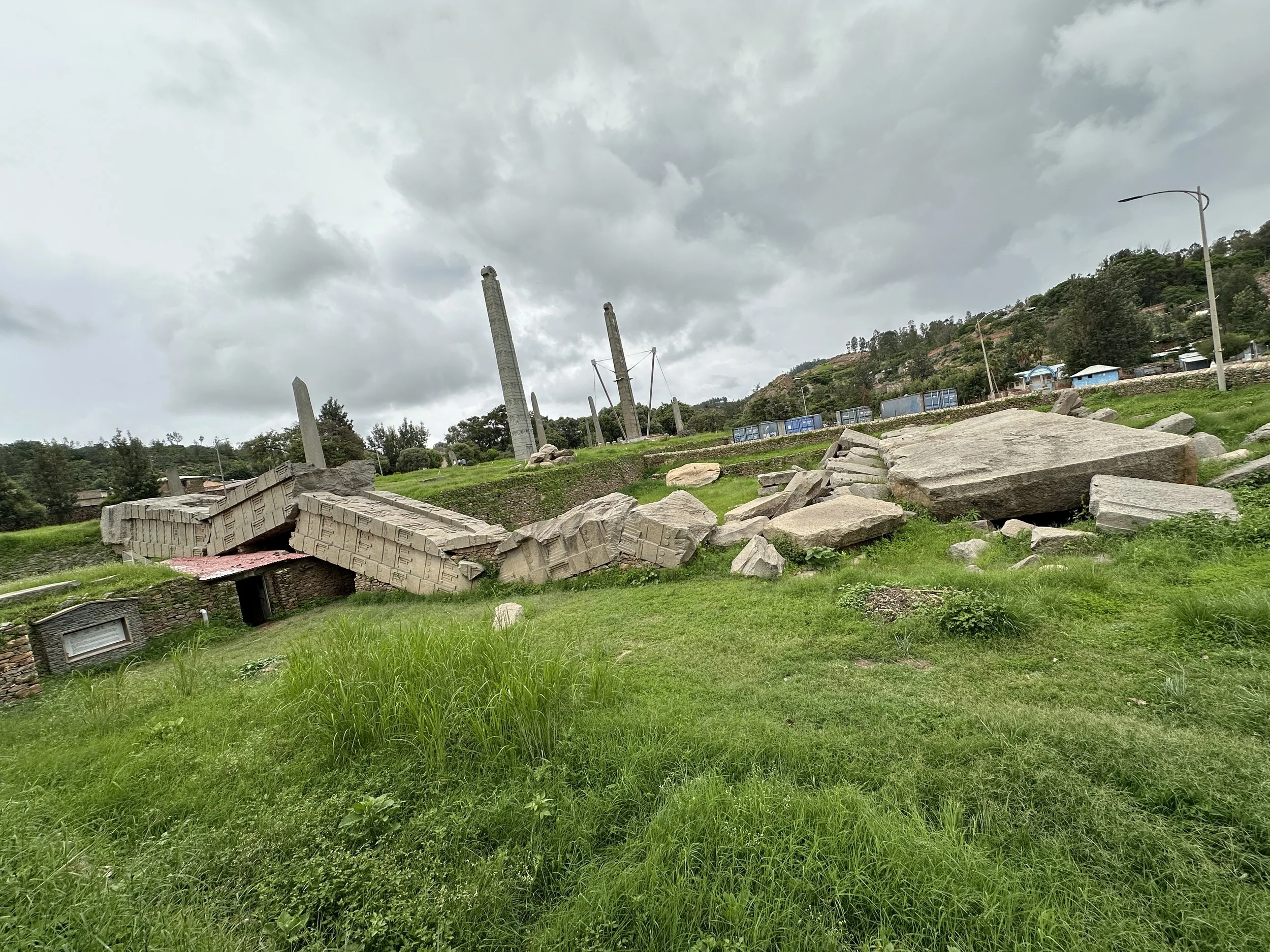
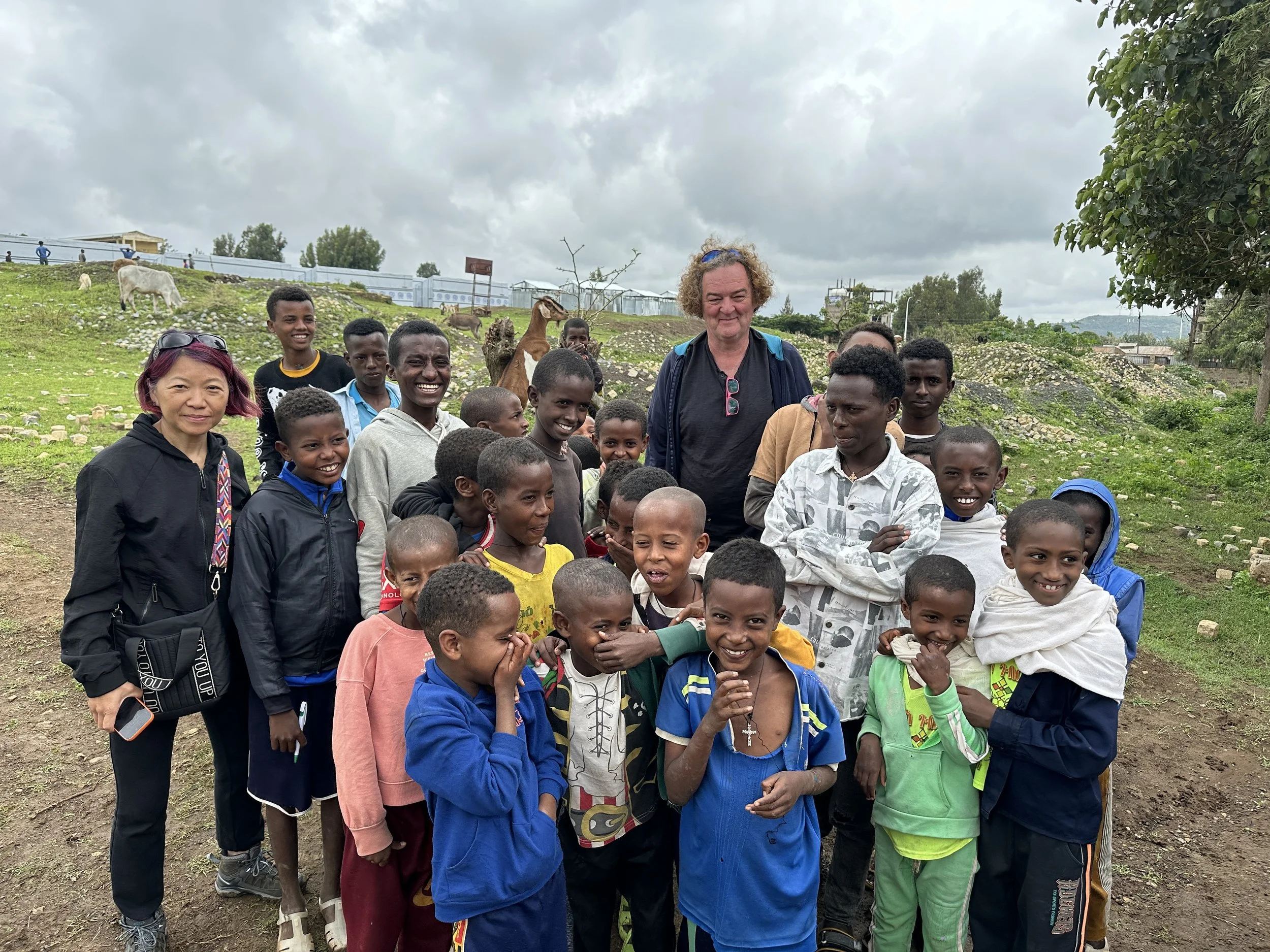
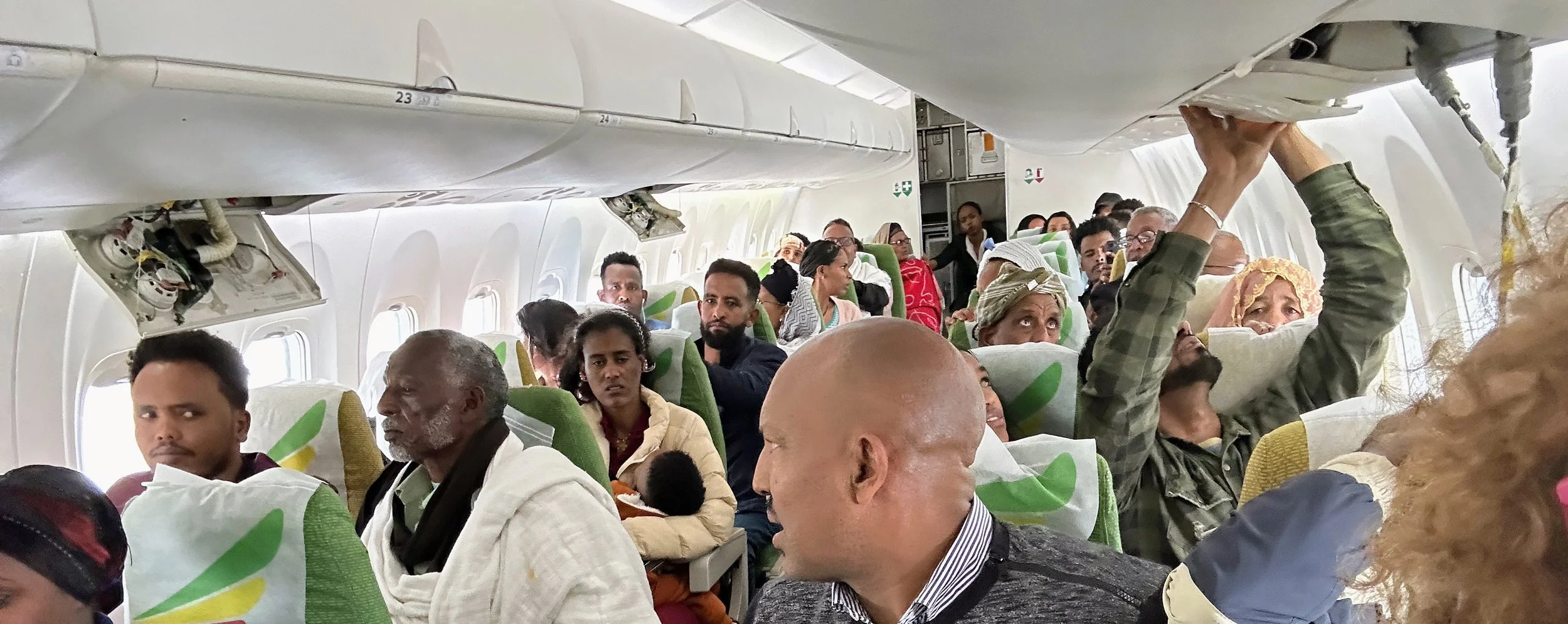
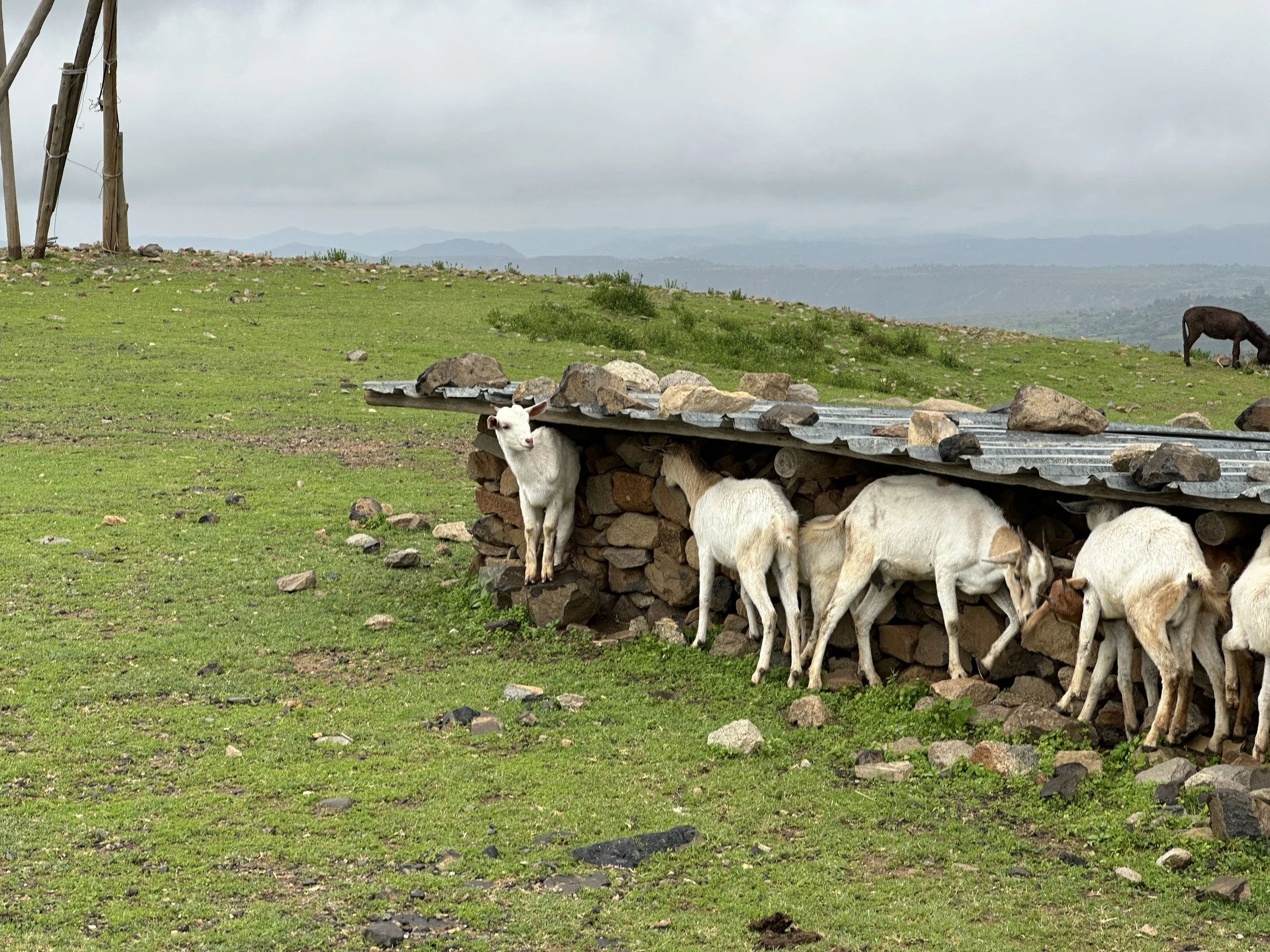
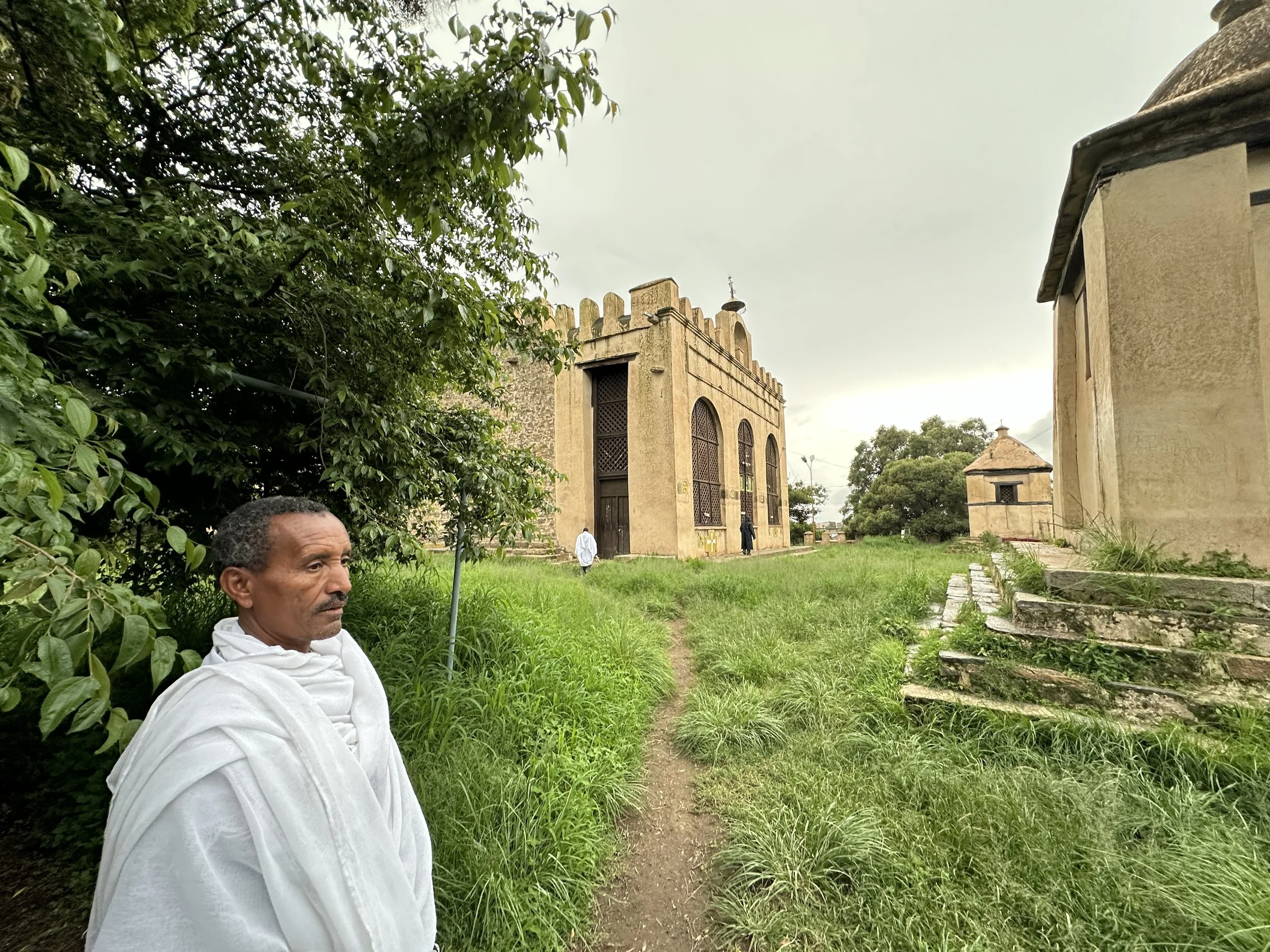
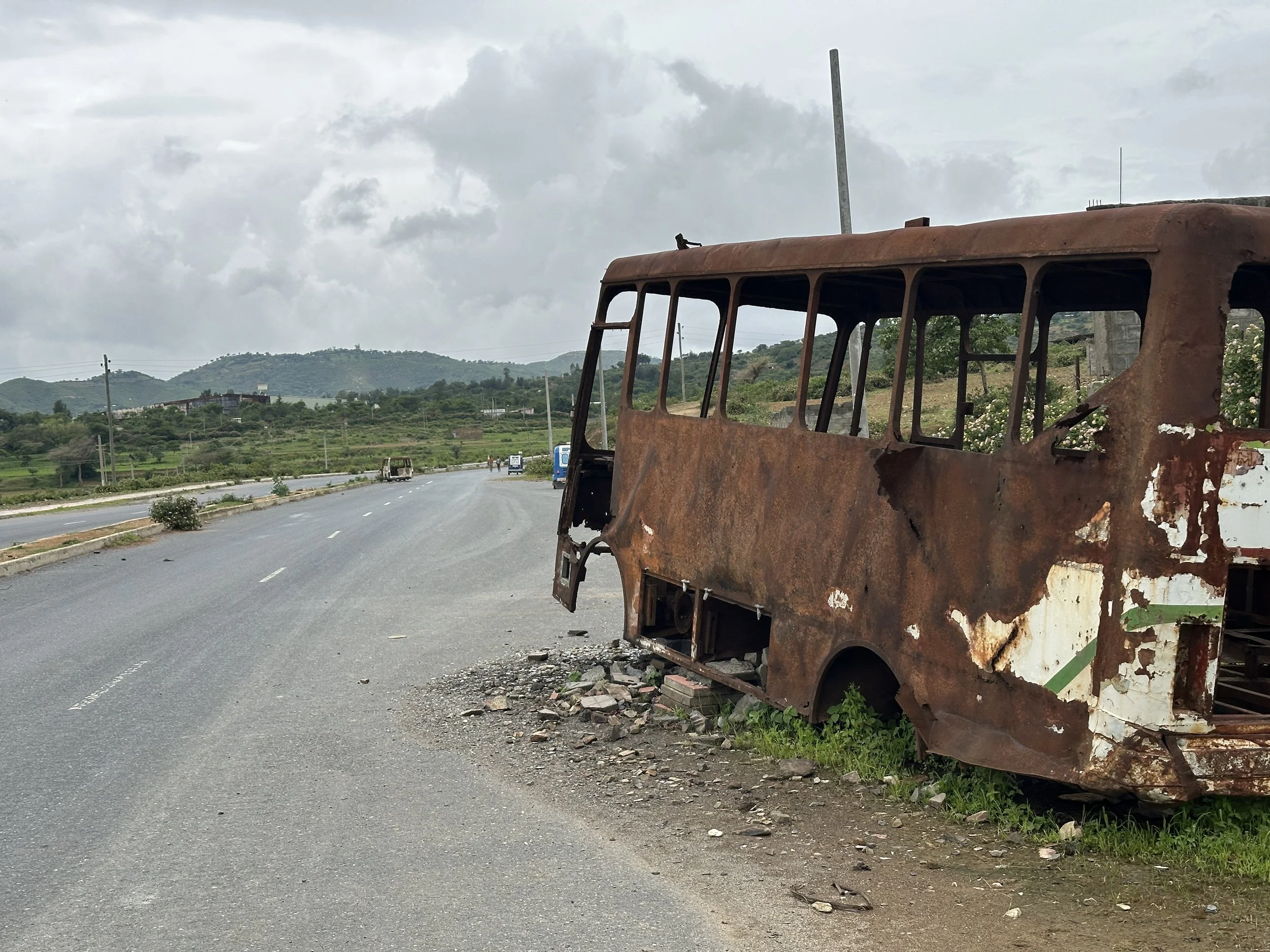
From there, we continued north into the Tigray region, which had opened only briefly at the time. Visiting Tigray felt like entering one of the most layered and compelling parts of Ethiopia — a place of deep history, dramatic landscapes, and extraordinary cultural resilience. One of the highlights was Aksum, the ancient capital whose monuments and ruins still carry the weight of a civilization that once stood at the crossroads of Africa and the wider world.
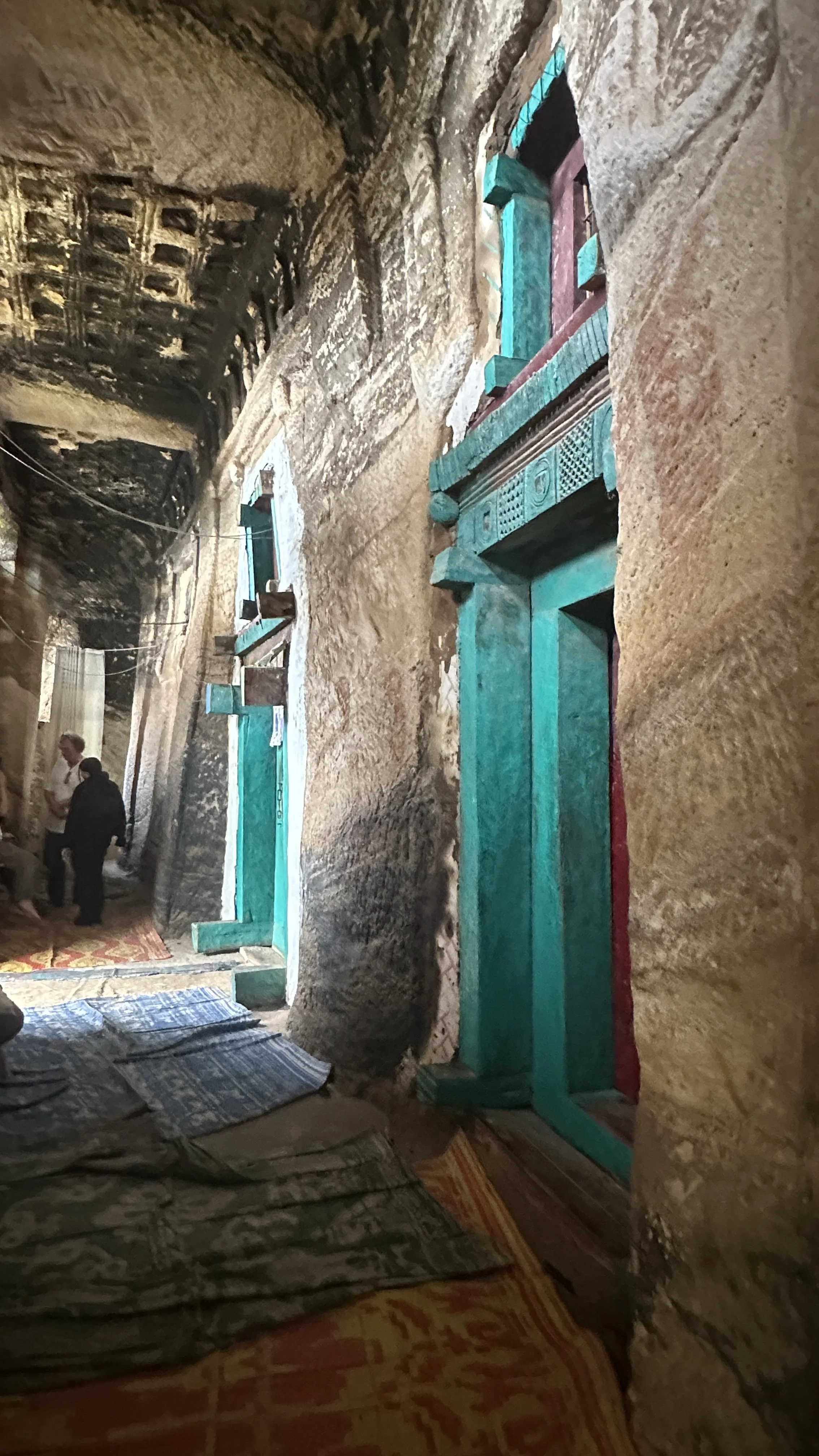
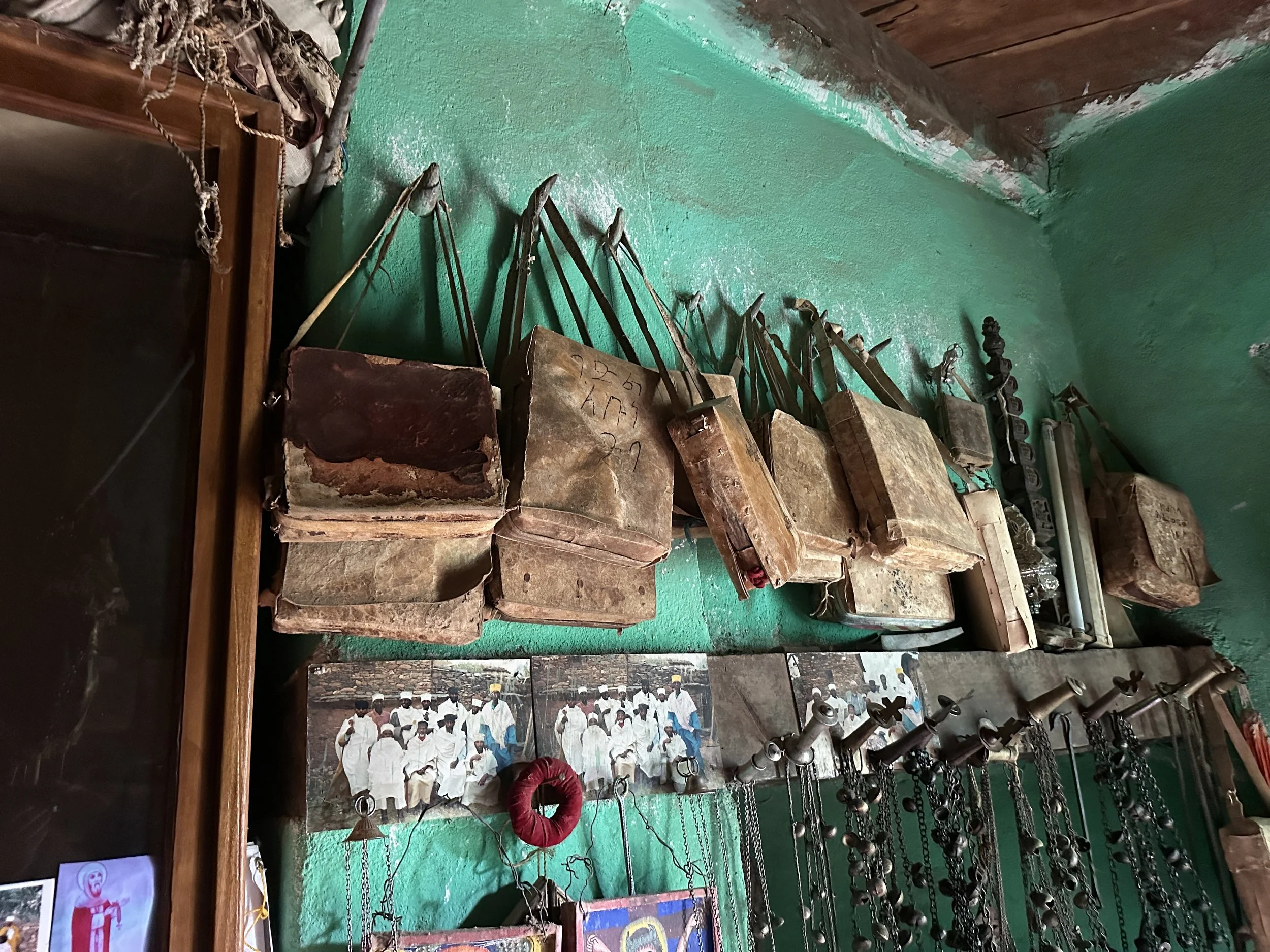
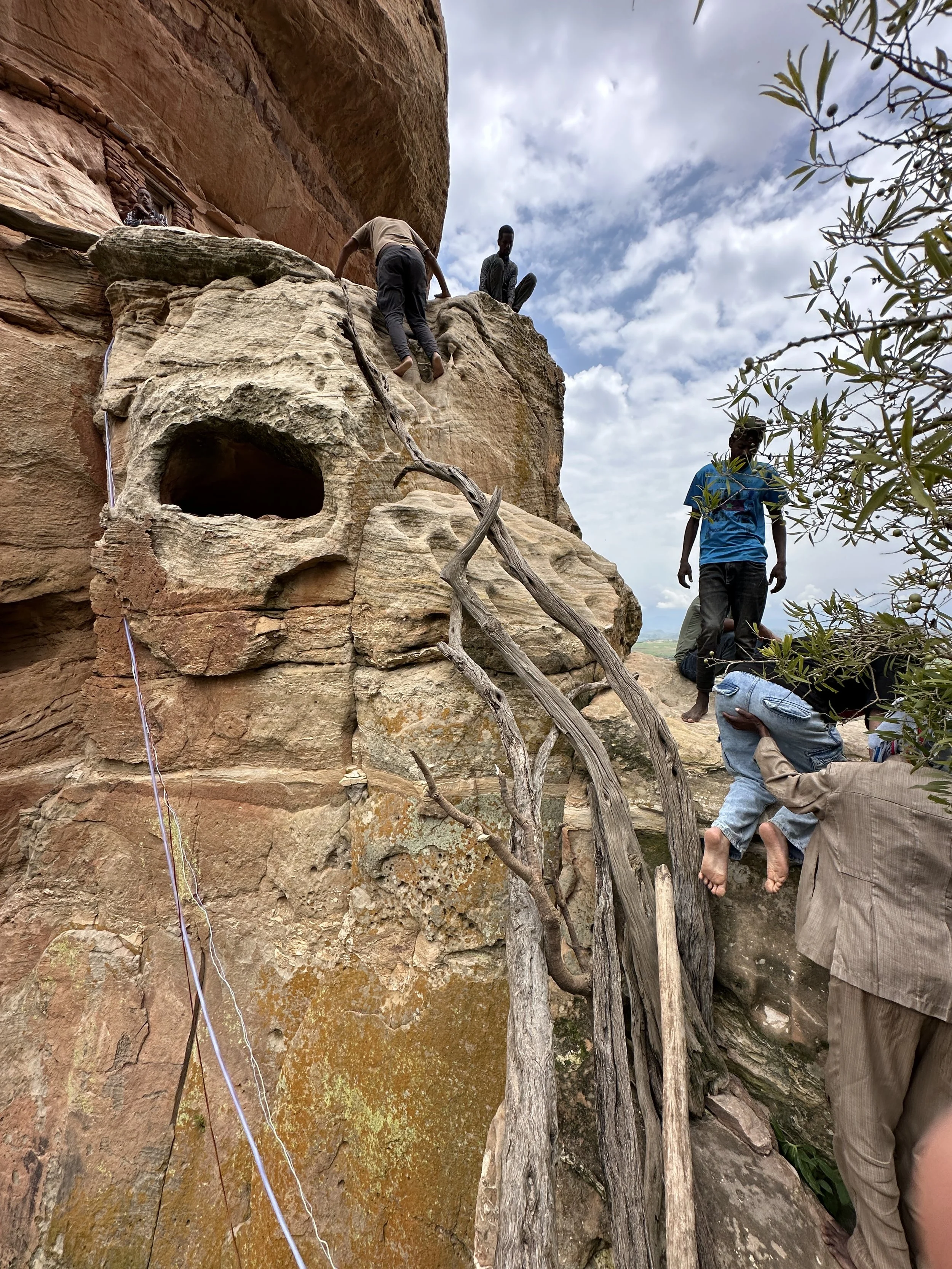
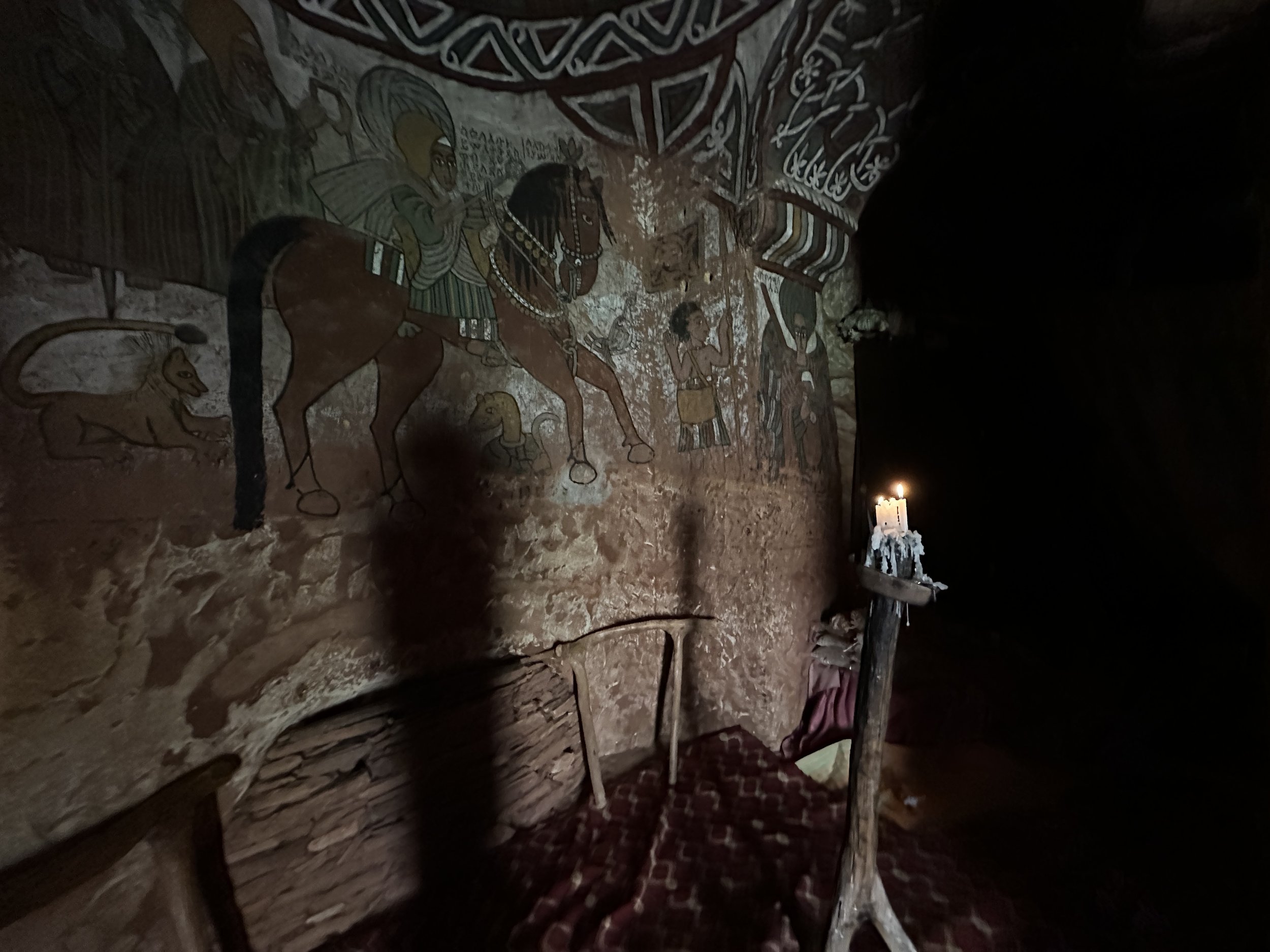
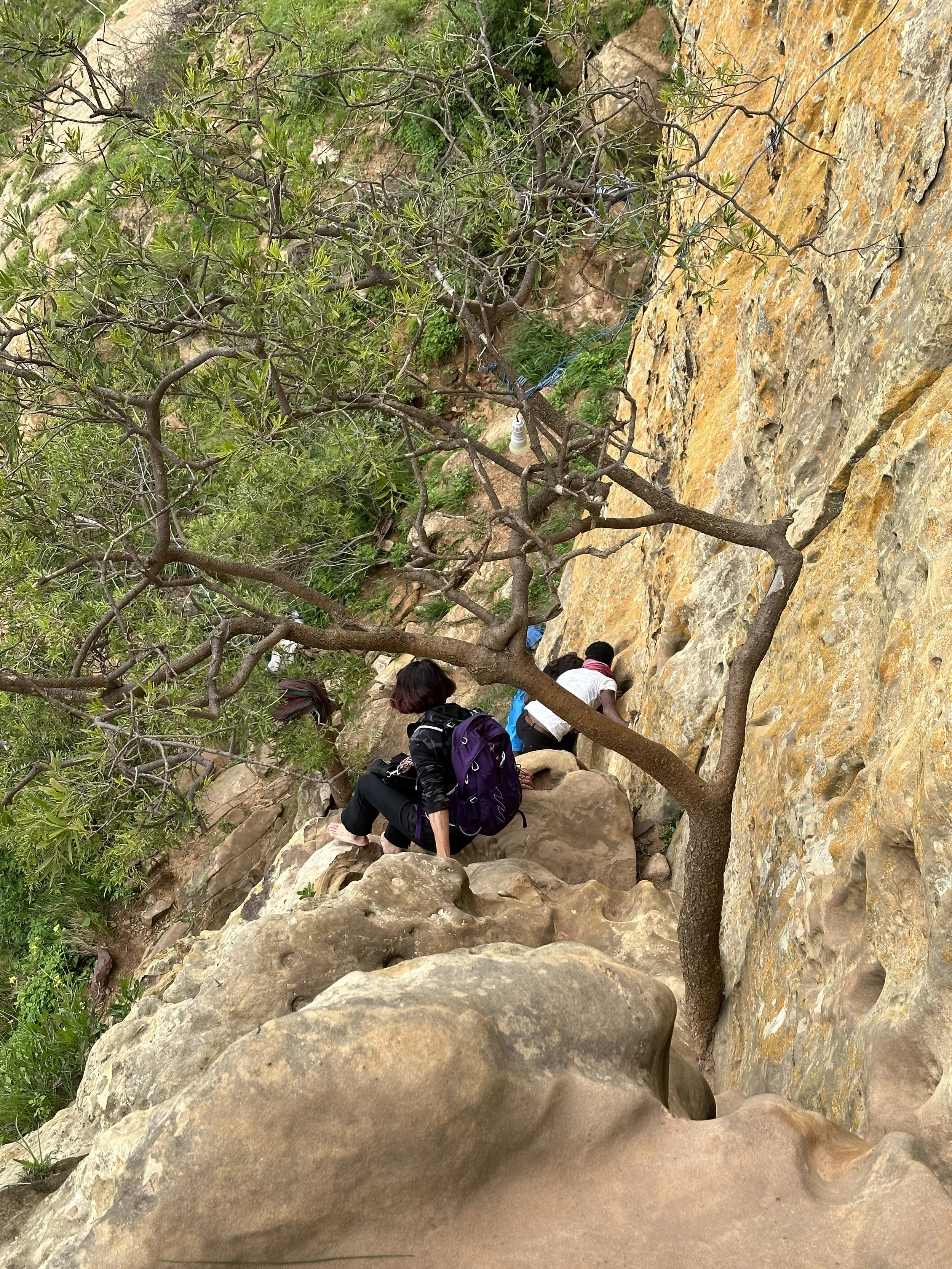
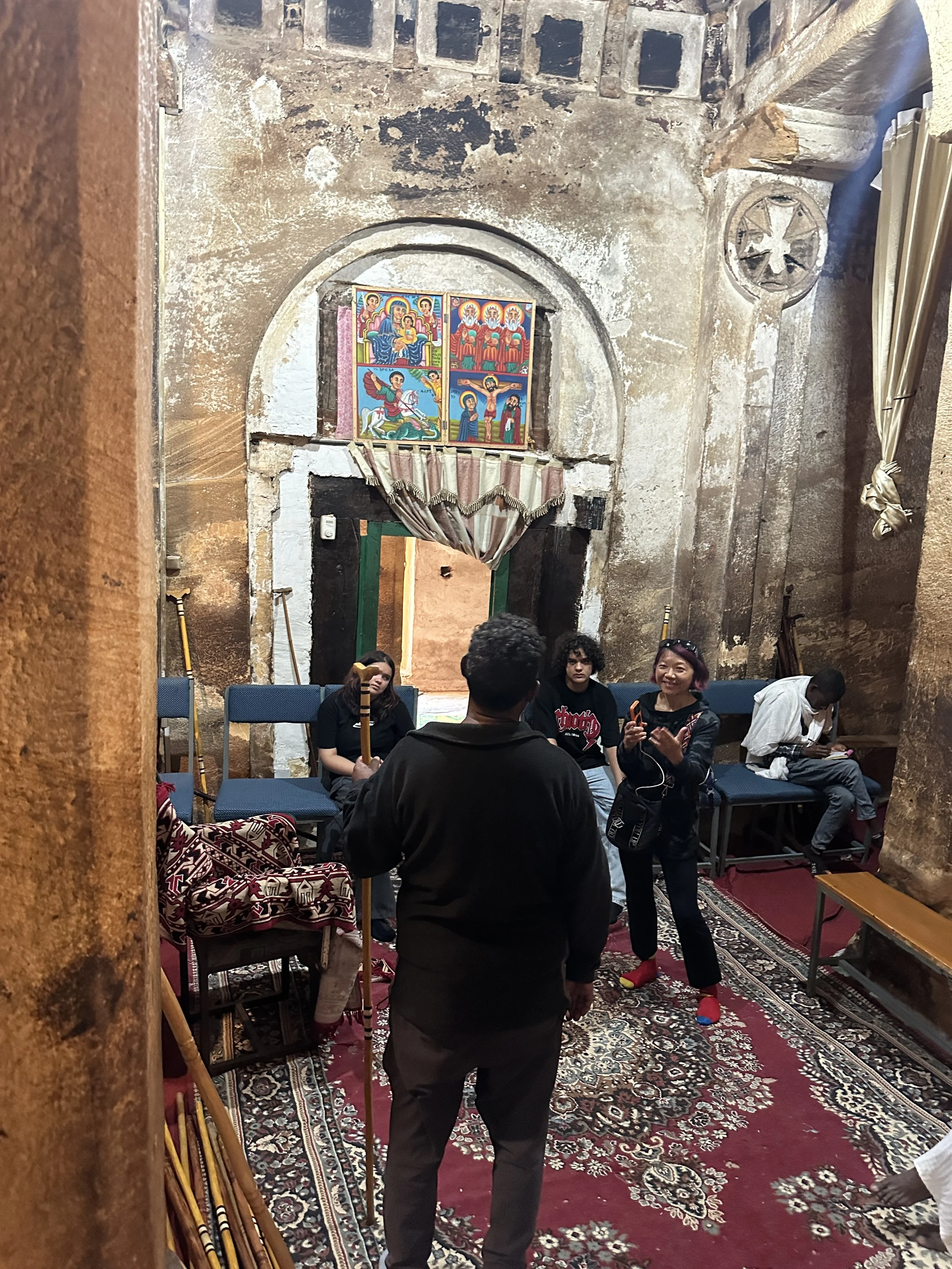
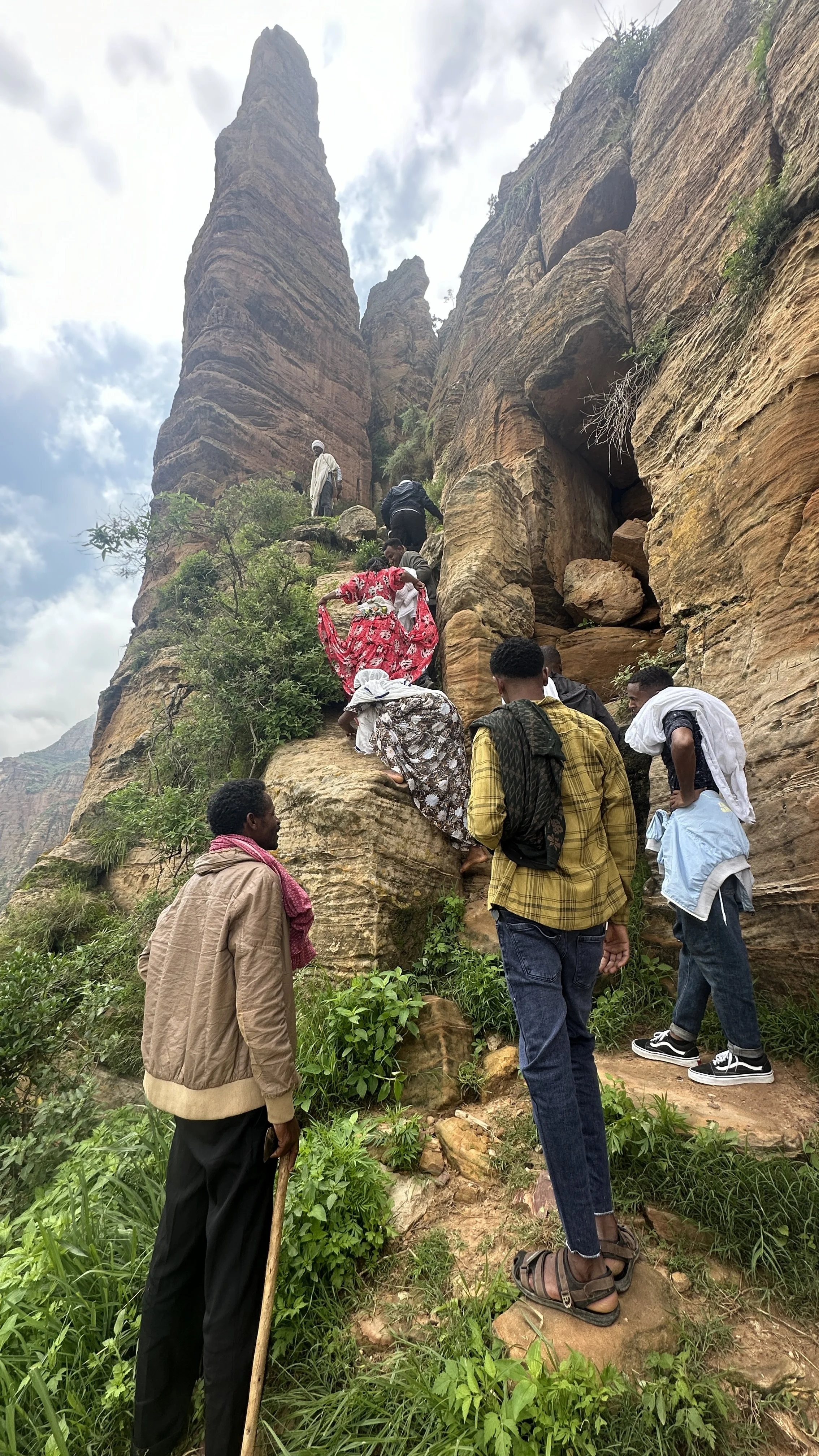
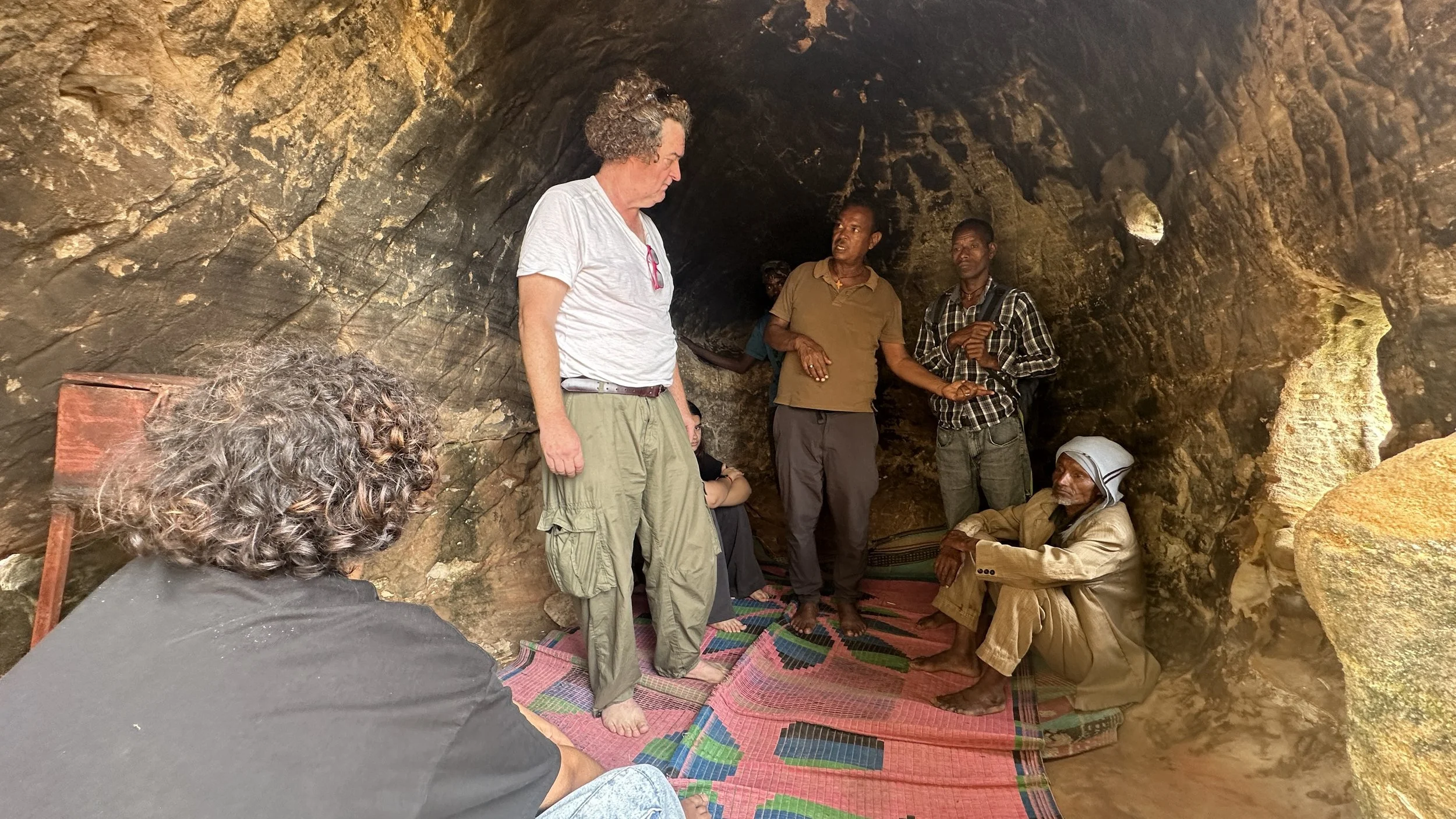
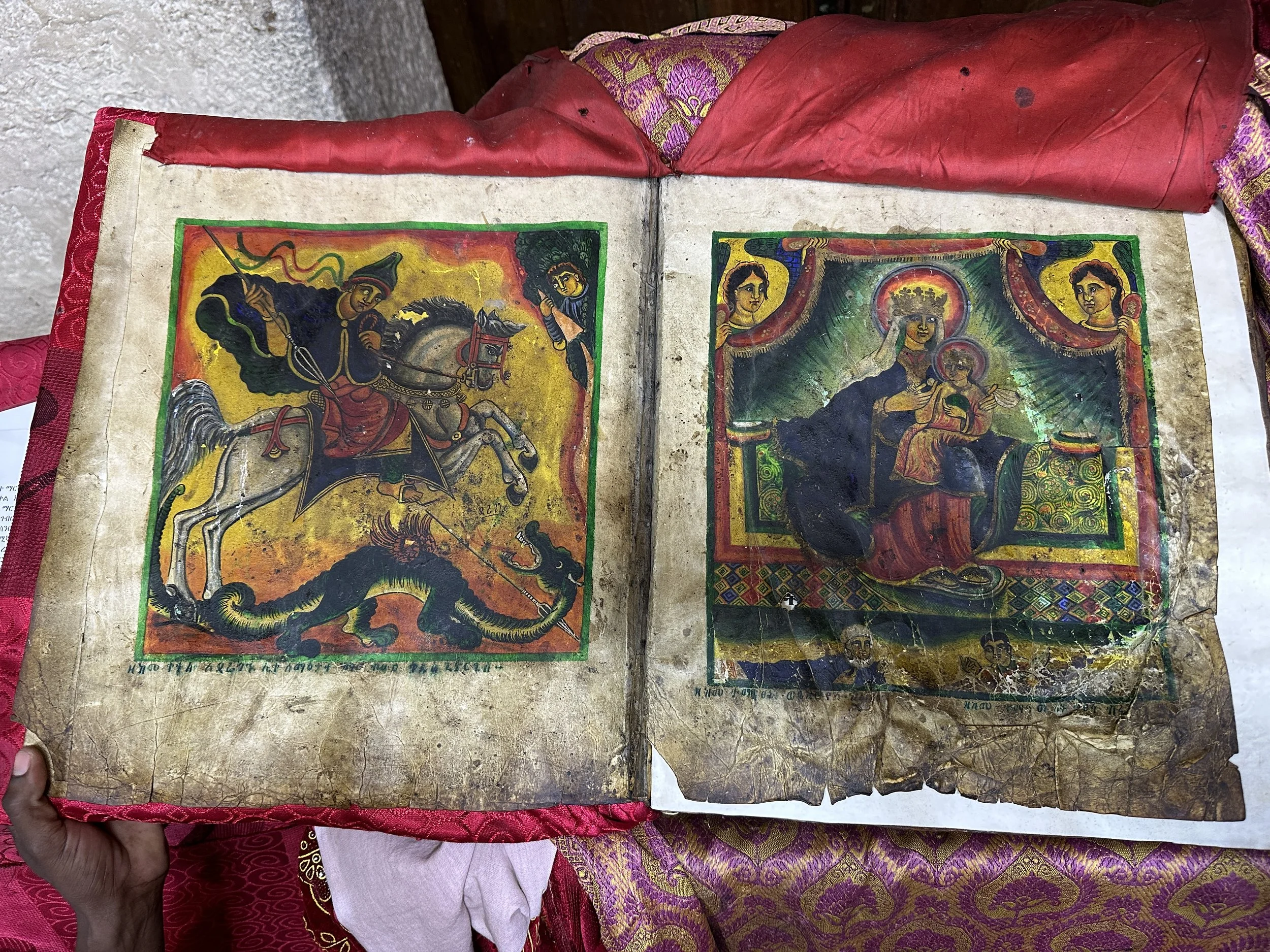
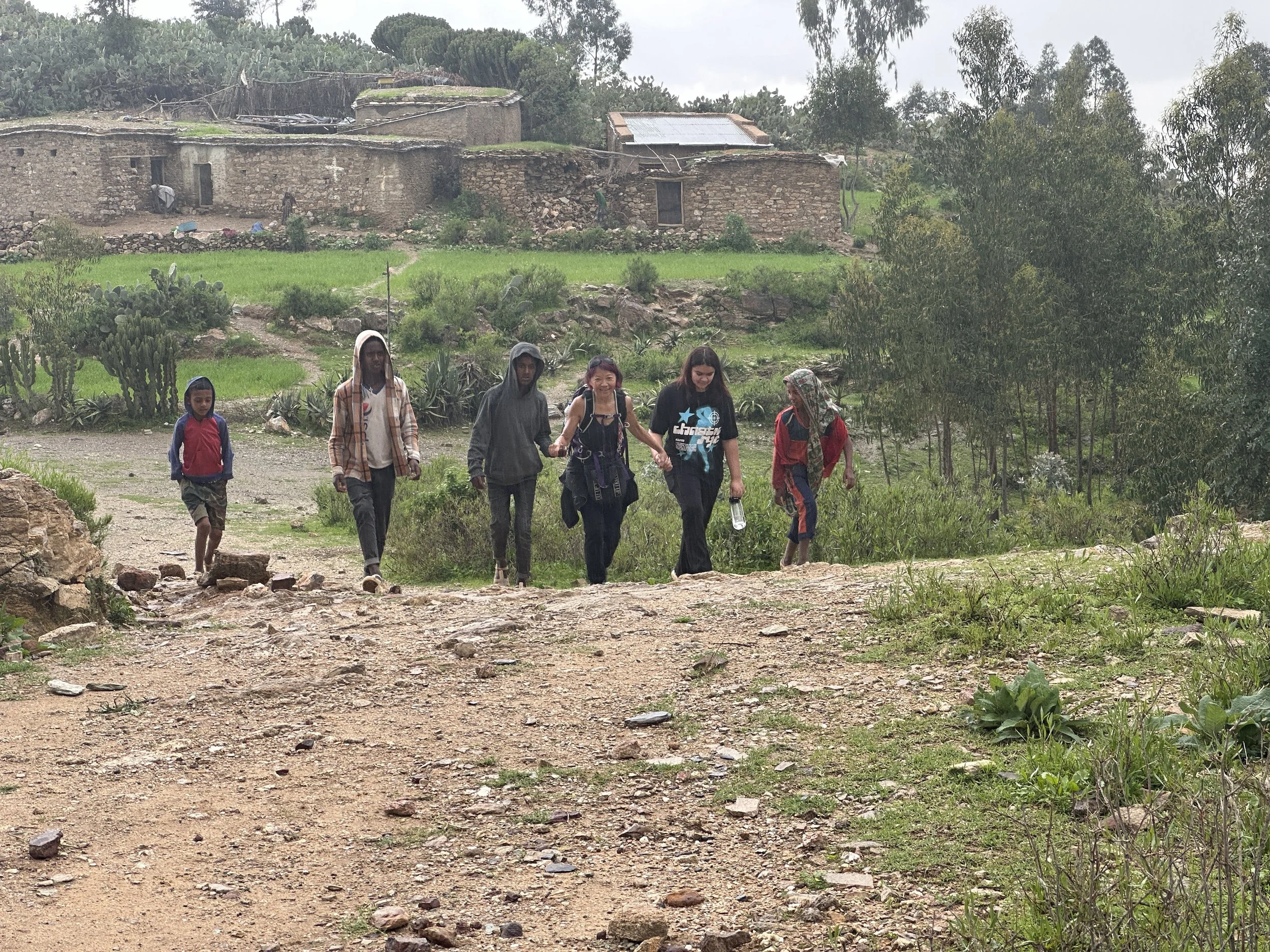
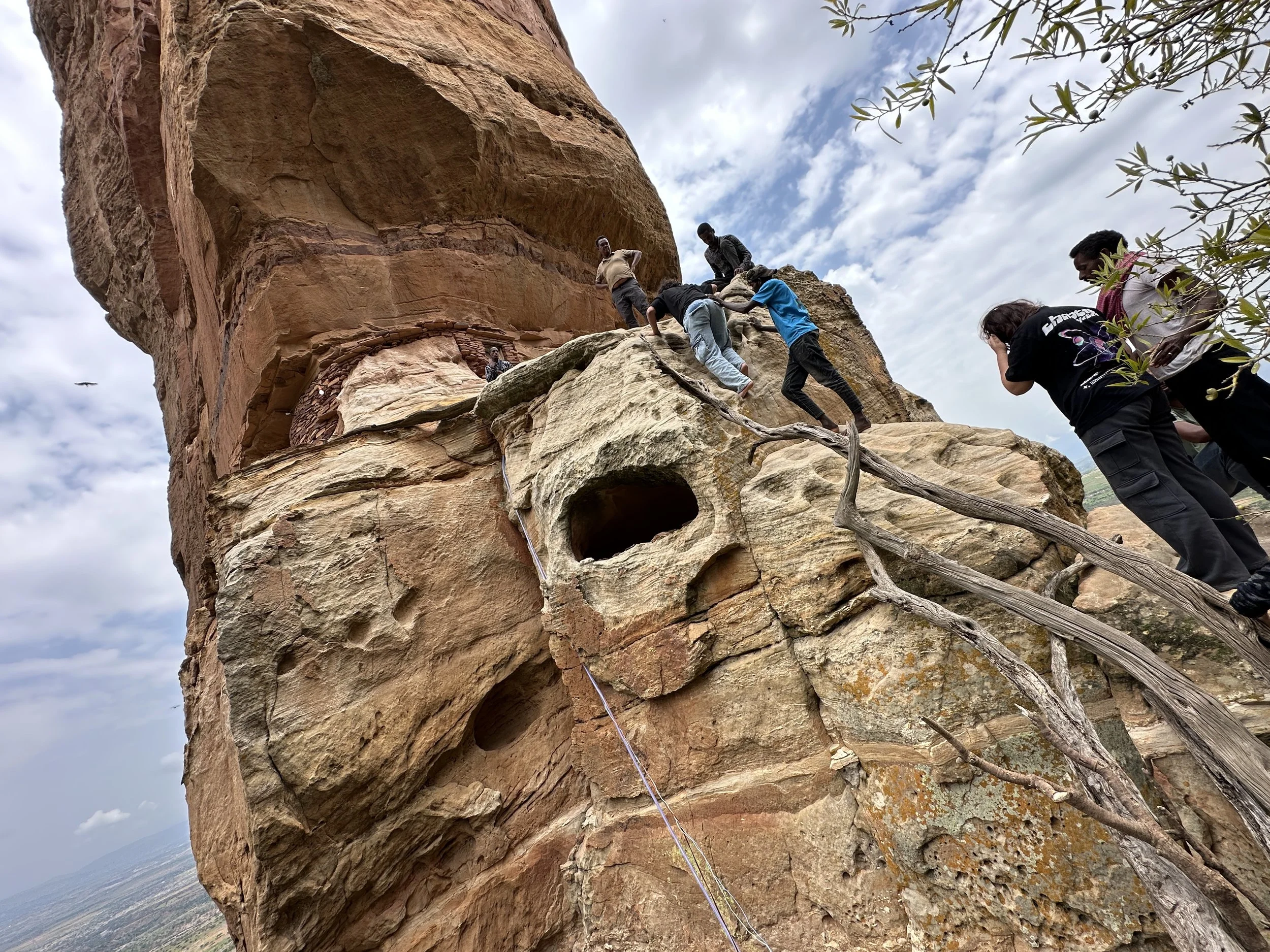
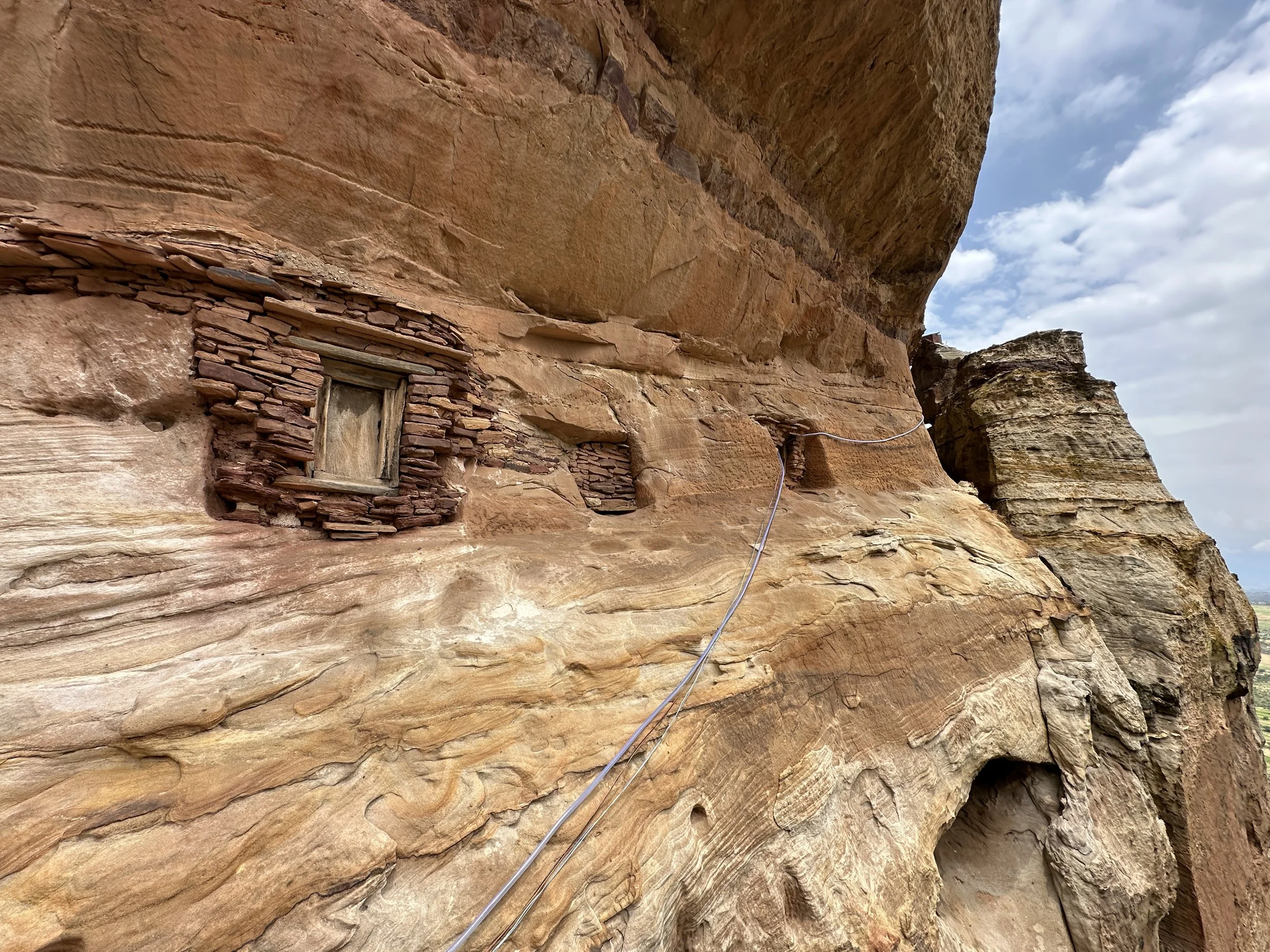
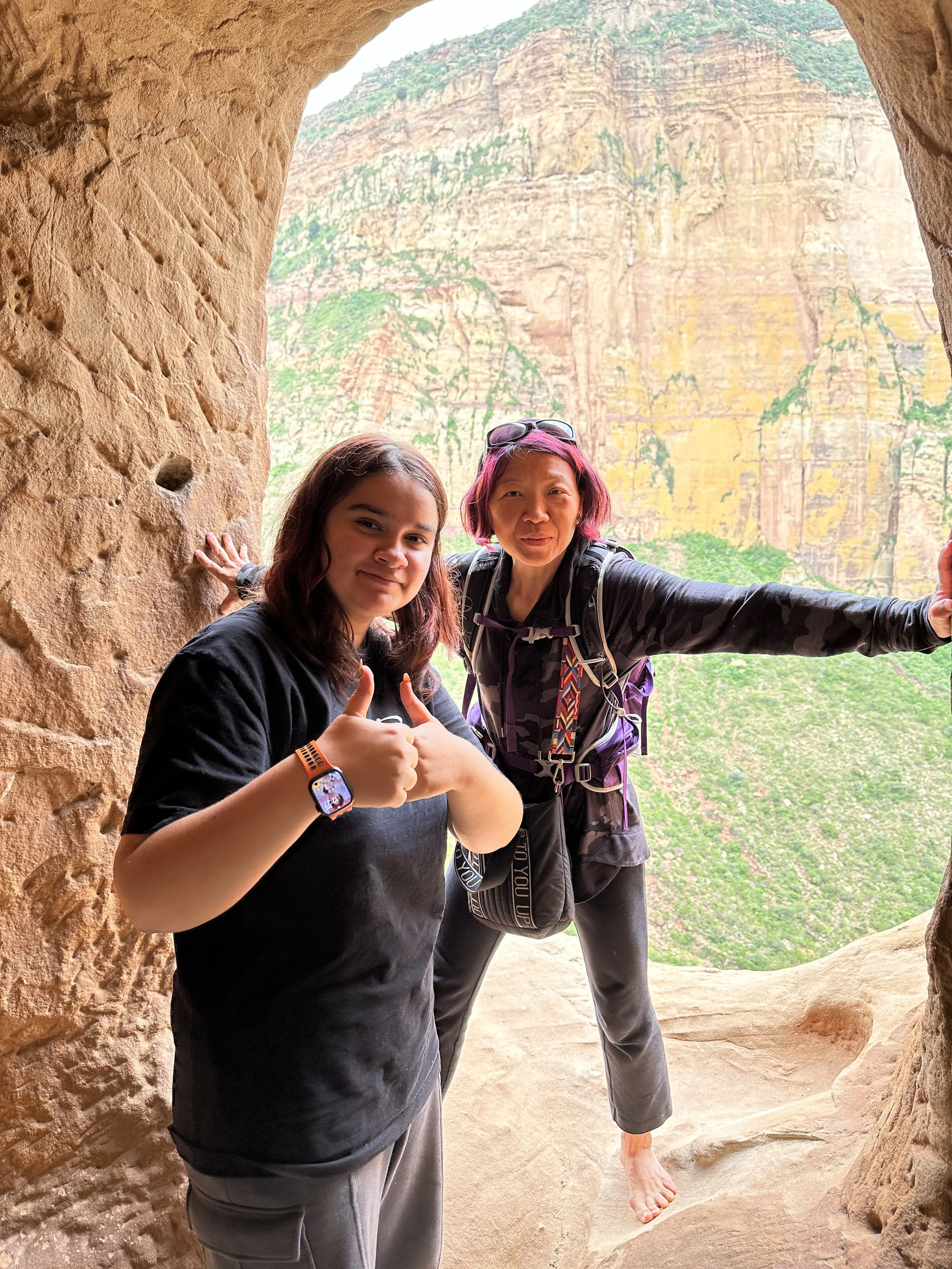
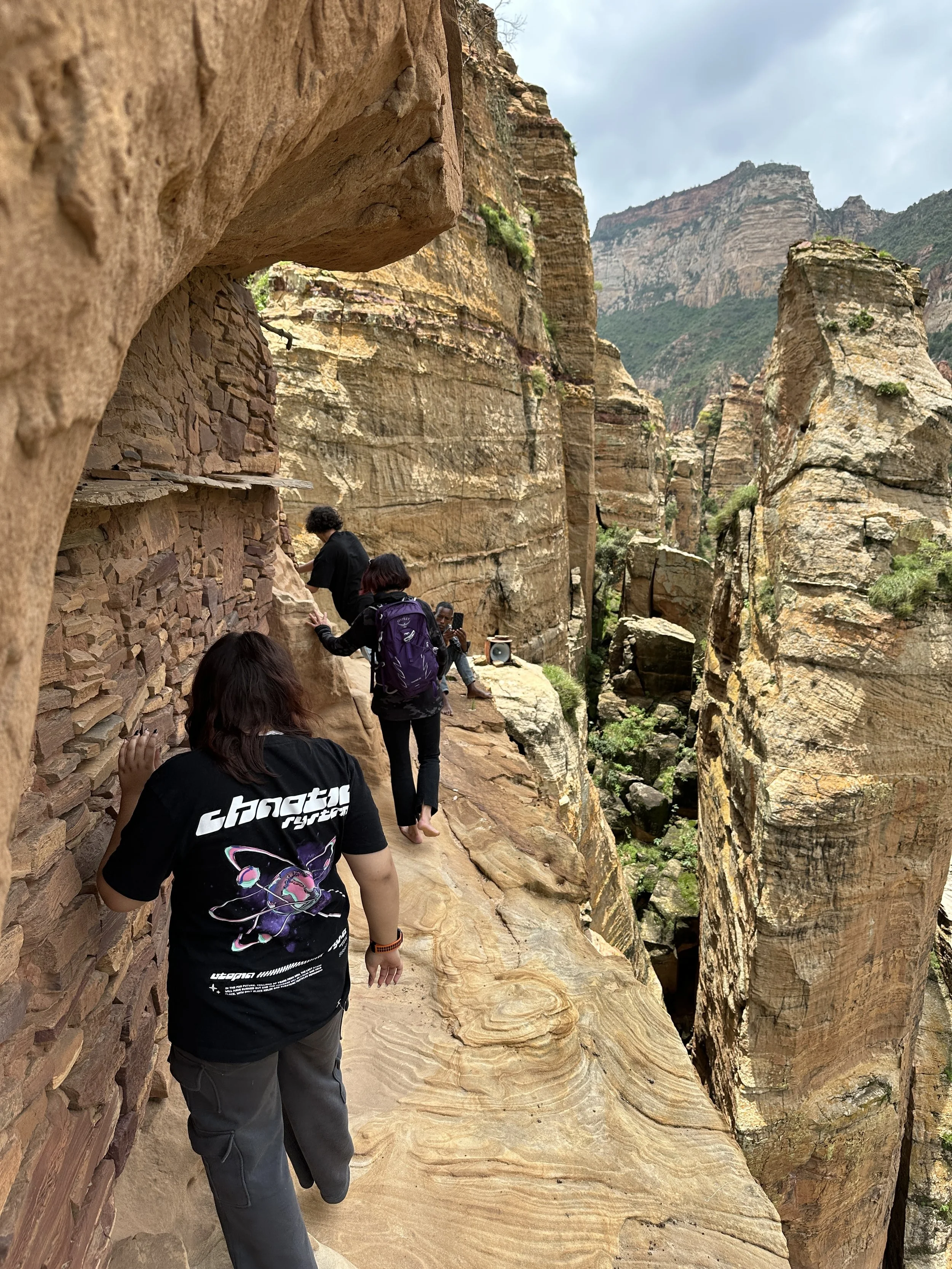
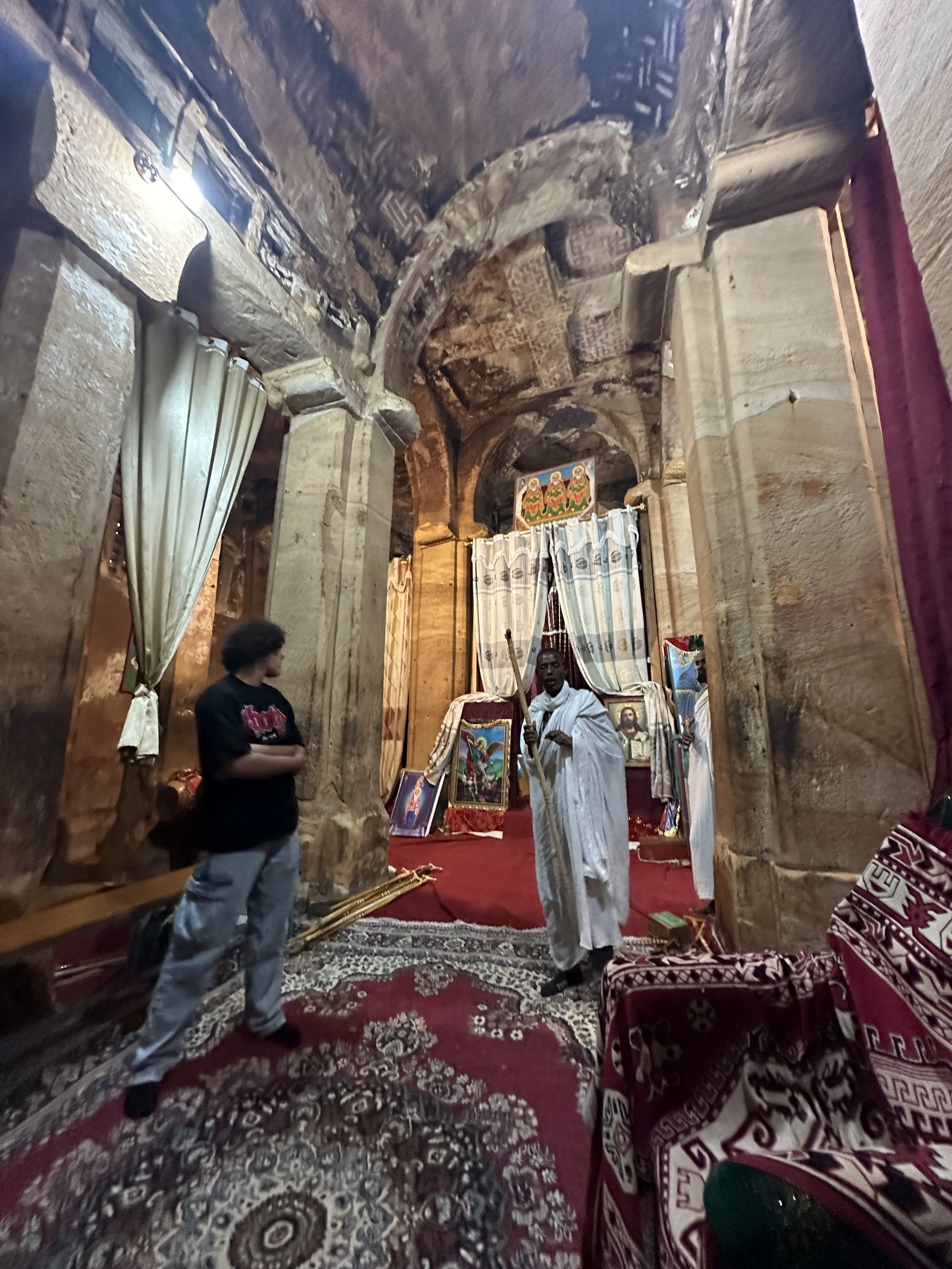
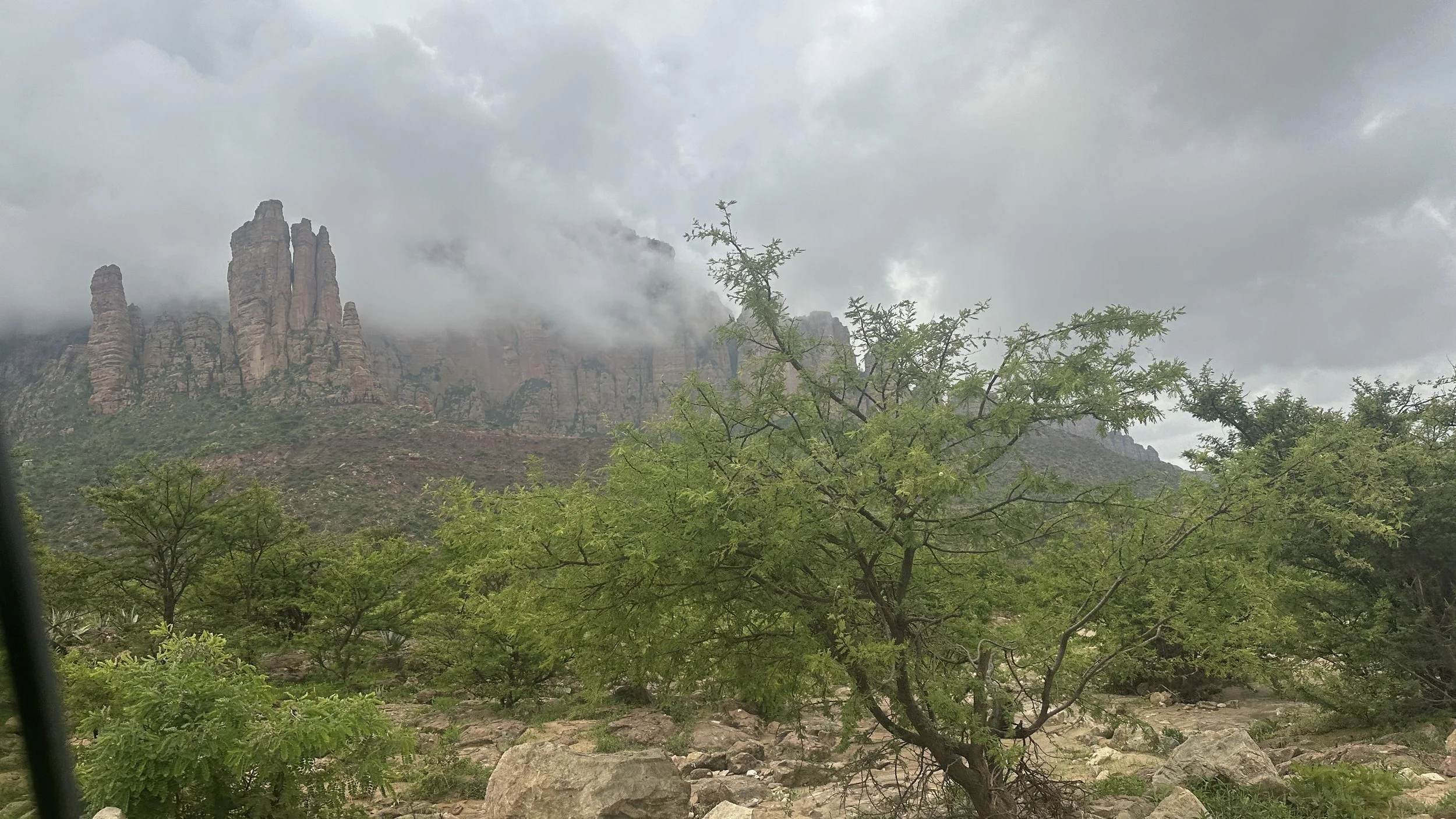
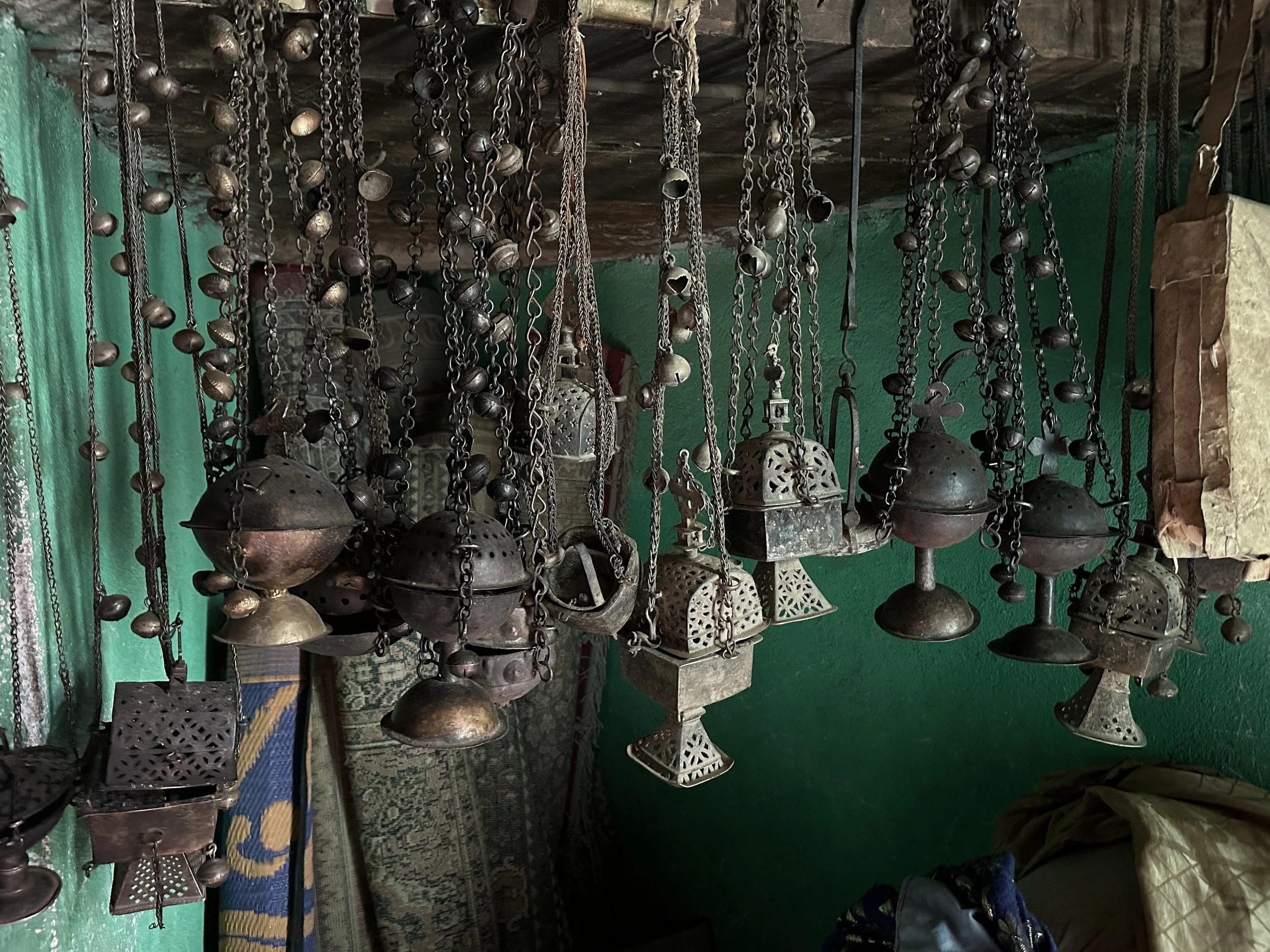
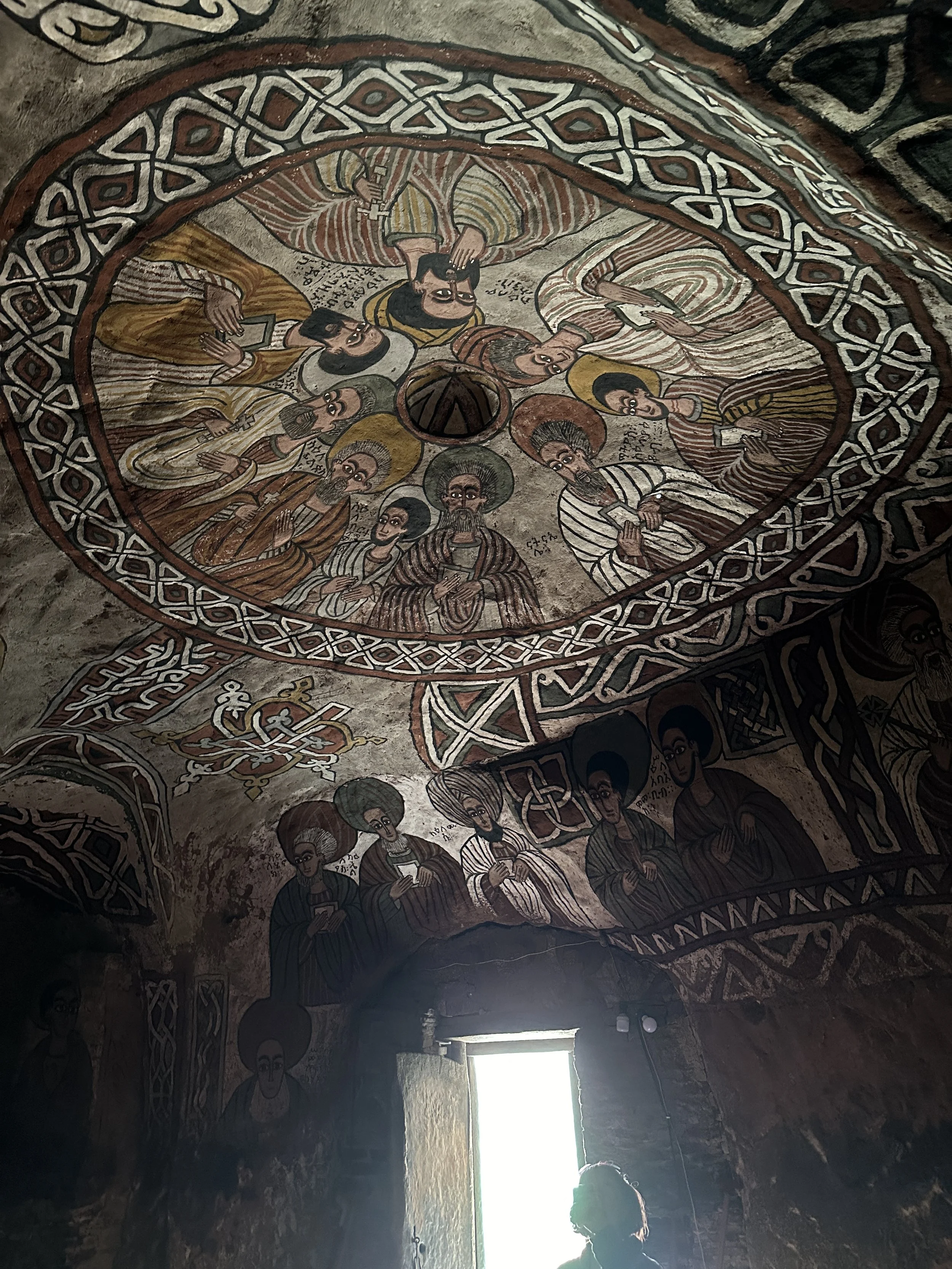
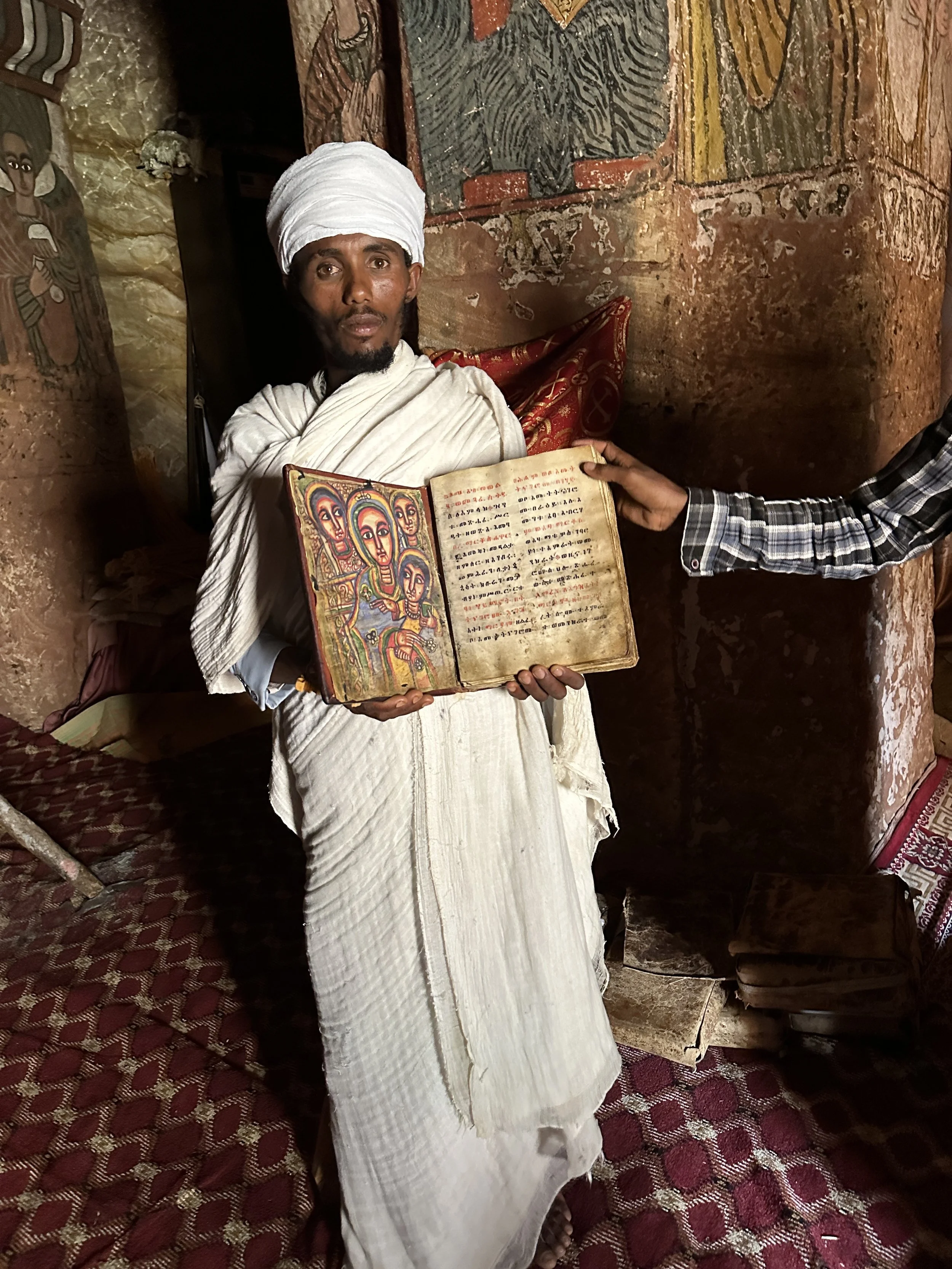
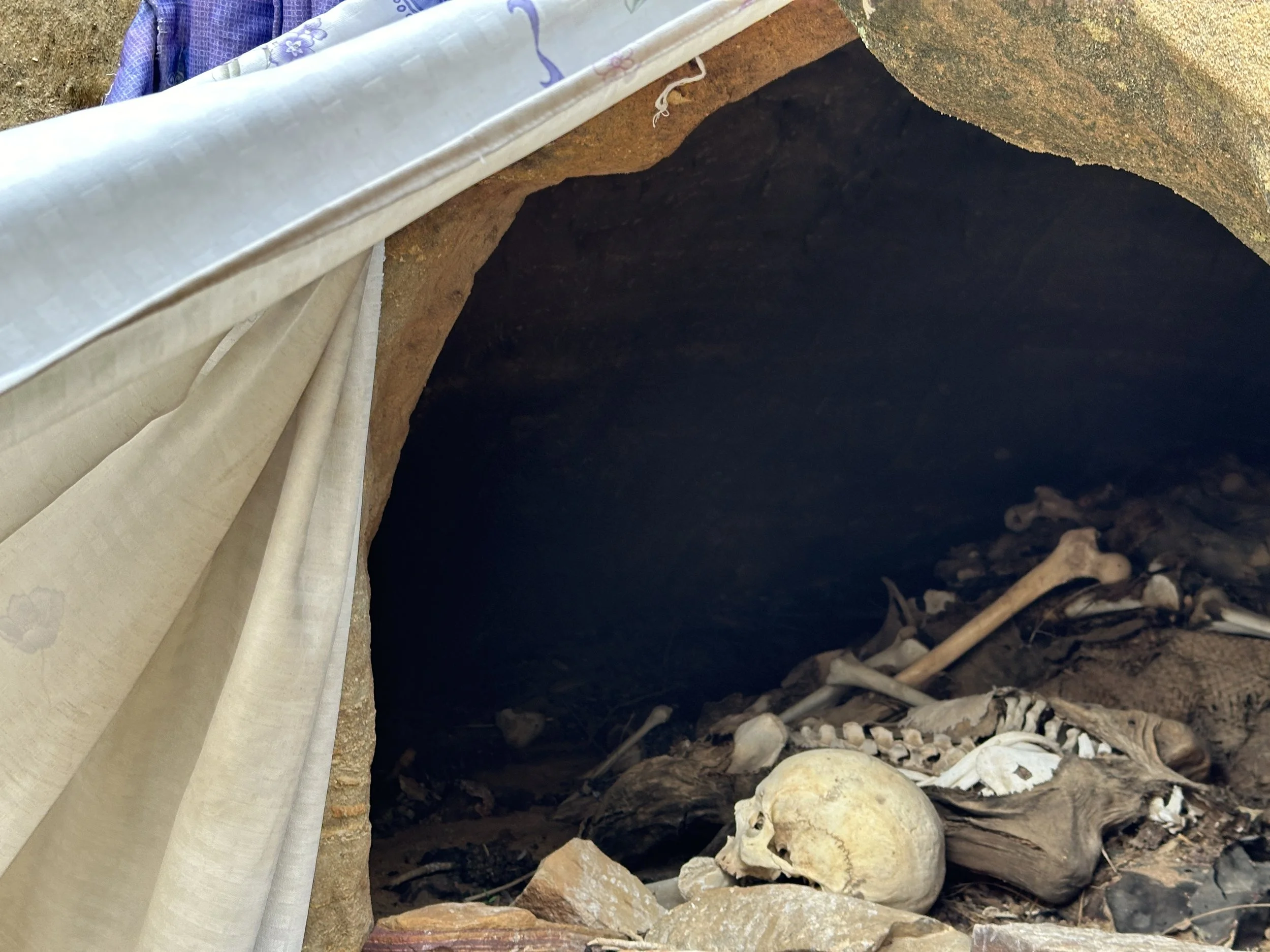
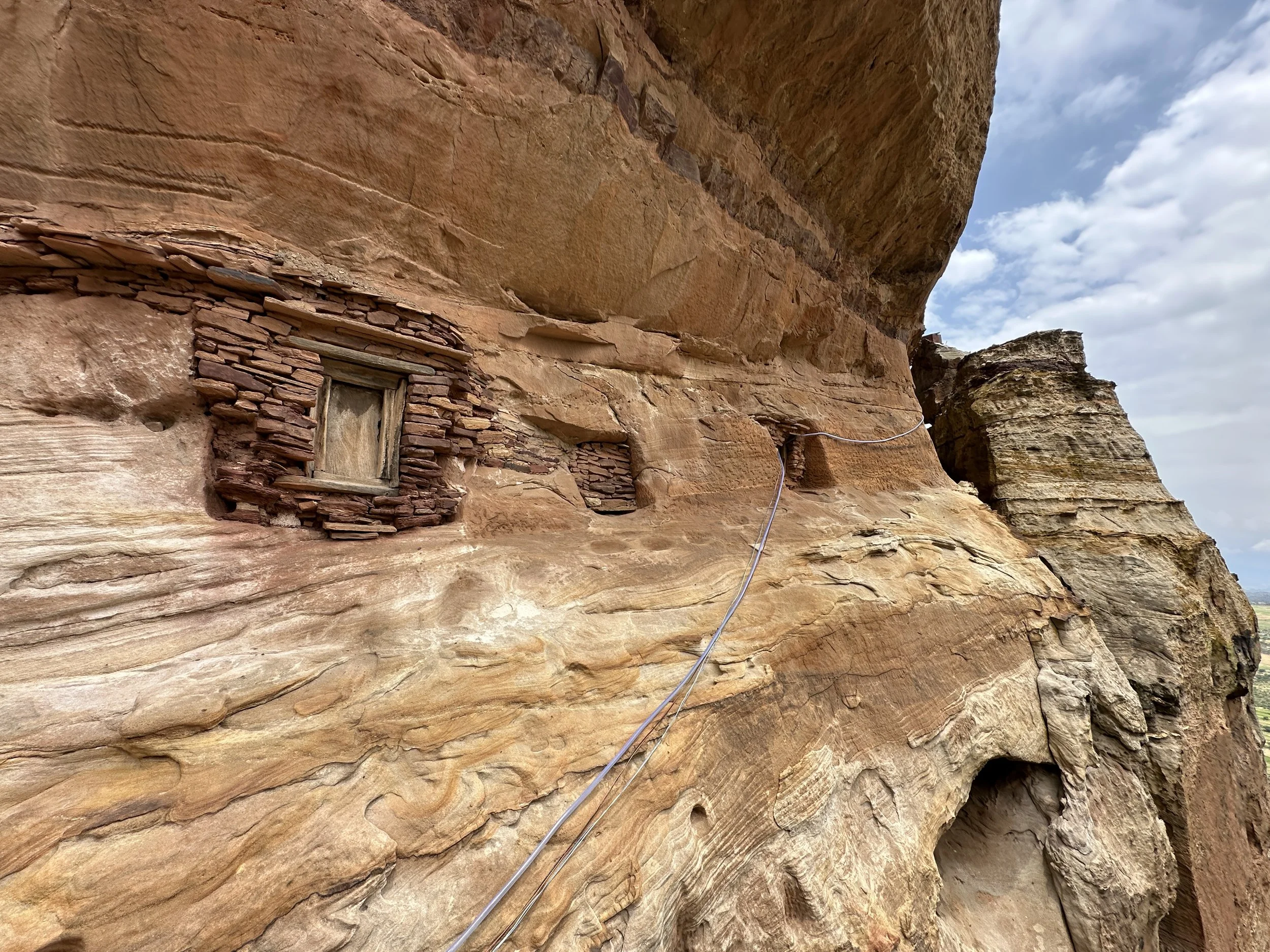
We then spent three days traveling toward the border with Eritrea, exploring some of the most incredible rock churches I have ever seen. Reached by steep climbs and hikes through the highlands, these churches felt inseparable from the landscape itself — carved into cliffs, hidden in the mountains, and made more powerful by the effort required to reach them. The combination of physical access, historical depth, and the stark beauty of the terrain made this one of the most memorable parts of the journey. UNESCO describes the sacred landscapes of Tigray as containing the largest group of rock-hewn architecture of their kind, and being there, it was easy to understand why they leave such a strong impression.
Looking back, Ethiopia was not just a prelude to Kilimanjaro. It was a major expedition in its own right: from the museum in Addis Ababa to ancient Aksum and the cliff churches of Tigray, it was a journey through some of the most extraordinary cultural landscapes I have experienced anywhere.